
Table of Contents >> Show >> Hide
- What Left-Handedness Really Means
- 21 Fun Facts About Left-Handed People You Should Know
- 1) Left-handed people are a minority, but not a tiny one
- 2) Handedness is a complex trait, not a simple one-gene story
- 3) Environment matters too, not just genetics
- 4) Children of left-handed parents are more likely to be left-handedbut most still aren’t
- 5) Identical twins don’t always share the same hand preference
- 6) Hand preference usually becomes obvious in early childhood
- 7) Signs of handedness can show up before birth
- 8) Left-handedness is connected to brain asymmetrybut it’s not a personality shortcut
- 9) Most left-handed people still use the left hemisphere for language
- 10) Left-handers may be less strongly lateralized on average in some functions
- 11) Mixed-handedness and ambidexterity are not the same thing
- 12) Left-handedness itself is not a disorder
- 13) Some famous left-handed “facts” are actually myths
- 14) Lefties often grow up in a world designed for right-handers
- 15) School supplies can be sneakily annoying for lefties
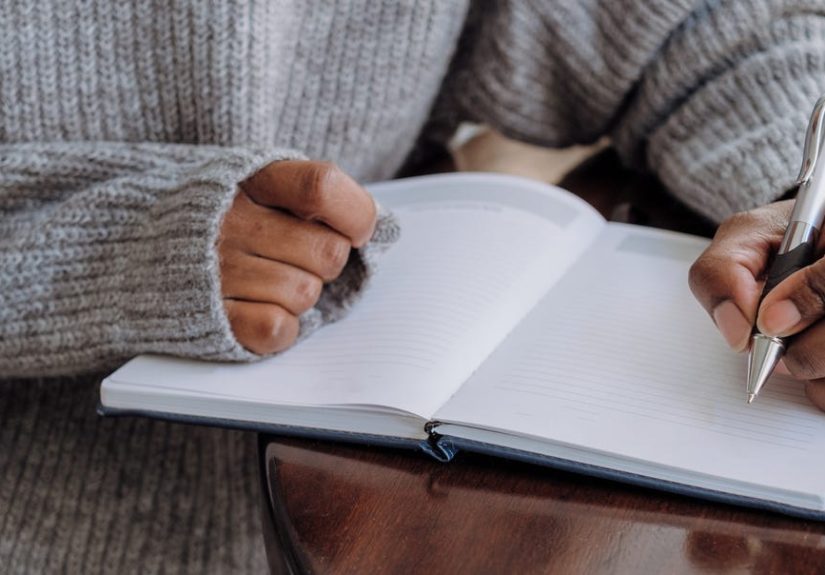
- 16) Writing left-handed can mean dealing with smudges and weird wrist positions
- 17) Left-handed athletes can have an advantage in some interactive sports
- 18) Baseball gives left-handed players some unique strategic benefits
- 19) Hand dominance and eye dominance don’t always match
- 20) Left-handed people show up in U.S. political history more often than you might expect
- 21) Handedness can be surprisingly adaptable when life demands it
- Why These Left-Handed Facts Matter
- Bonus: Real-Life Experiences Related to Left-Handedness (Extended Section)
- Conclusion
Left-handed people make up a smaller slice of the population, but they’ve inspired a surprisingly huge amount of science, myth-making, design headaches, sports strategy, and dinner-table debate. (Yes, the spiral notebook is still a repeat offender.) If you’ve ever wondered why some people are left-handed, whether lefties really have a sports advantage, or why so many everyday tools seem to be quietly rooting for right-handed users, this guide has you covered.
In this article, we’ll walk through 21 fun facts about left-handed people based on real research and reputable sources, then end with a longer “experiences” section that captures what life often feels like for lefties in school, work, sports, and daily routines. Expect science, history, a few myths getting politely escorted out the door, and plenty of practical examples.
What Left-Handedness Really Means
Handedness is your natural preference for using one hand over the other for tasks like writing, throwing, cutting, or brushing your teeth. It’s related to brain lateralization (how certain functions are organized across the brain’s hemispheres), but it doesn’t map neatly onto internet clichés like “left-handed people are all geniuses” or “right-brained creatives only.” Human beings are more complicated than a motivational mug.
Also important: left-handedness is a normal human variation. It’s not a defect, and it doesn’t automatically predict personality, intelligence, or destiny. It mostly predicts that someone has strong opinions about scissors.
21 Fun Facts About Left-Handed People You Should Know
1) Left-handed people are a minority, but not a tiny one
In Western countries, roughly 10% to 15% of people are left-handed. That means lefties are uncommon enough to stand out, but common enough that you probably know several already. This also explains why products are usually designed for right-handed users first: companies often design for the majority.
2) Handedness is a complex trait, not a simple one-gene story
Scientists used to look for a single “left-handed gene,” but current evidence points to a more complex picture. Multiple genes appear to contribute to handedness, and each may have a relatively small effect. In other words, handedness is more like a playlist than a solo artist.
3) Environment matters too, not just genetics
Genetics plays a role, but it’s not the whole story. Research summaries from medical and twin sources note that prenatal factors and environmental influences may also contribute. So when people ask, “Is handedness genetic?” the accurate answer is: partly, but not entirely.
4) Children of left-handed parents are more likely to be left-handedbut most still aren’t
This is one of the most misunderstood handedness facts. Having a left-handed parent increases the odds, but because left-handedness is less common overall, most children of left-handed parents still end up right-handed. Probability loves nuance.
5) Identical twins don’t always share the same hand preference
People often assume identical twins must have identical handedness. Not true. Many twin pairs match, but some don’t. That makes twin research especially interesting because it highlights how handedness can be shaped by more than genetics alone.
6) Hand preference usually becomes obvious in early childhood
Handedness often becomes clearer as children grow and practice tasks like drawing, feeding themselves, and throwing. Once established, it tends to remain fairly consistent over time. This is why pediatric guidance often recommends observing rather than forcing a preference.
7) Signs of handedness can show up before birth
One of the coolest left-handed facts is that researchers have linked prenatal thumb-sucking preference with later handedness. In other words, the story of being a lefty may begin long before anyone buys the first school notebook.
8) Left-handedness is connected to brain asymmetrybut it’s not a personality shortcut
Yes, handedness relates to differences in how the brain organizes functions. No, that does not mean every left-handed person is automatically “more creative,” “more emotional,” or “right-brained.” Those pop-psychology shortcuts are oversimplified and often misleading.
9) Most left-handed people still use the left hemisphere for language
This surprises many people. Left-handers are more likely than right-handers to show atypical language lateralization, but most left-handed people are still left-hemisphere dominant for speech and language. So being left-handed does not mean your brain is a mirror image of a right-handed brain.
10) Left-handers may be less strongly lateralized on average in some functions
Some neuroscience research suggests that left-handed groups, on average, can show reduced lateralization for certain functions compared with right-handed groups. That doesn’t mean “better” or “worse”just that the pattern can be different and more variable.
11) Mixed-handedness and ambidexterity are not the same thing
These terms get mixed up all the time. Mixed-handedness means preferring different hands for different tasks (for example, writing with one hand and throwing with the other). Ambidexterity means being able to perform tasks equally well with both hands. True ambidexterity is uncommon.
12) Left-handedness itself is not a disorder
This sounds obvious today, but it’s worth stating clearly because history was not always kind to lefties. Modern research reviews reject many old myths that tried to frame left-handedness as pathological or inherently harmful. It’s a normal variation in human development.
13) Some famous left-handed “facts” are actually myths
A classic example: the old claim that left-handed people die several years earlier than right-handed people. Major reviews of handedness research discuss this as one of the better-known myths. Translation: if someone tells you a scary “lefties die younger” line at a party, you have permission to walk away and take the chips with you.
14) Lefties often grow up in a world designed for right-handers
This is less a complaint and more a design reality. Museums and left-handed awareness materials have long pointed out that many tools, spaces, and clothing details are created with right-handed use in mind first. Left-handed people often become skilled adapters simply because they have to.
15) School supplies can be sneakily annoying for lefties
Desks, spiral notebooks, and scissors are the classic trio of left-handed frustration. Even when a task is technically possible, the angle, grip, or hand position may feel awkward. This is one reason many left-handed students develop their own writing posture or paper placement early on.
16) Writing left-handed can mean dealing with smudges and weird wrist positions
Depending on the pen, ink, paper, and writing style, lefties may push across fresh ink instead of pulling away from it, which can cause smudging. Many left-handed writers experiment with faster-drying pens, different paper angles, or a more “underwriting” position to stay comfortable.
17) Left-handed athletes can have an advantage in some interactive sports
Research has found left-handers can be overrepresented in certain high-level interactive sports (sports where players directly react to an opponent’s movements). One explanation is a frequency effect: because most opponents are right-handed, athletes get less practice facing left-handed styles.
18) Baseball gives left-handed players some unique strategic benefits
Baseball is full of handedness strategy. Left-handed pitchers can benefit from matchup familiarity dynamics, and left-handed hitters often enjoy more favorable platoon matchups against right-handed pitchers. Left-handed batters are also physically closer to first base in the batter’s box, which can matter on close plays.
19) Hand dominance and eye dominance don’t always match
Many people assume your dominant hand and dominant eye must be on the same side, but that’s not always true. Cross-dominance (or crosshandedness) exists, and some people also show inconsistent hand dominance across tasks. Human coordination is more flexible than tidy labels suggest.
20) Left-handed people show up in U.S. political history more often than you might expect
Left-handers are a minority in the general population, yet they’ve had visible representation among U.S. presidents and major candidates. This doesn’t prove left-handedness causes political success, of coursebut it does make for a fun trivia round and a very specific argument at family dinner.
21) Handedness can be surprisingly adaptable when life demands it
Historical records from the Library of Congress document left-handed penmanship contests after the Civil War, including men who had lost use of their right arms and learned to write with the left hand. It’s a powerful reminder that while natural hand preference matters, people can also develop remarkable skill and resilience when they need to adapt.
Why These Left-Handed Facts Matter
A list of fun facts is entertaining, but it also highlights something bigger: design, education, and expectations often assume a right-handed default. When teachers, coaches, product designers, and employers understand handedness better, small changes can make a big differencelike offering left-handed scissors, adjusting desk setup, or simply not forcing a child to switch hands.
For SEO-minded readers (and curious humans), the key takeaway is that left-handedness is a real biological and behavioral trait shaped by multiple influences, not a superstition and not a personality horoscope. The science is interesting, the history is messy, and the everyday practical impact is still very real.
Bonus: Real-Life Experiences Related to Left-Handedness (Extended Section)
If you ask a group of left-handed people about their experiences, the stories usually start with one of three things: school desks, scissors, or handwriting. A lot of lefties remember realizing early that the “normal” setup in a classroom wasn’t really neutral. The shared scissors pinched weirdly, the desk arm sat on the wrong side, and dry-erase marker on a whiteboard could become a sleeve decoration in under thirty seconds. None of this is a tragedybut it does create a constant background of micro-adjustments that right-handed classmates may never notice.
Writing is often the biggest example. Many left-handed people learn a custom paper angle and hand position that looks unusual but works beautifully for them. Some become “underwriters” who keep the wrist below the line to reduce smudging; others hook the wrist above the line because that’s what feels stable. Ask ten lefties how they write, and you may get ten different techniques plus one dramatic reenactment involving a leaky gel pen. These aren’t just quirky habitsthey’re solutions developed through trial and error in real environments.
In sports, the experience can flip from awkward to advantageous. A left-handed kid in baseball might hear coaches talk about matchups earlier than expected because handedness matters strategically. In tennis, boxing, or other face-to-face sports, lefties sometimes describe the same pattern: opponents are less comfortable with their timing or angles because they don’t practice against left-handed players as often. That doesn’t mean left-handedness is a magic cheat codeit just means unfamiliarity can change the feel of competition.
At home and at work, left-handed people often become accidental product reviewers. Can opener? Depends on the design. Measuring cup? Greatunless the markings are only readable from one side. Computer mouse? Some lefties switch it to the left; others keep it on the right because they grew up adapting and now prefer saving the left hand for writing. This is one reason many left-handed adults are highly flexible in daily tasks. They’ve spent years learning when to adapt, when to buy a left-handed tool, and when to declare, “Nope, this gadget was clearly designed by someone who has never met a left-handed person.”
There’s also a social side to being left-handed. It’s visible enough to become a conversation starter but common enough not to feel isolating. Lefties often hear the same comments repeatedly“I’m left-handed too!” or “I heard lefties are more creative!”which can be funny, flattering, or slightly exhausting depending on the day. Still, many people enjoy the identity because it creates an instant point of connection. It’s a small trait, but it can feel like membership in a club that understands the struggle of spiral notebooks and appreciates the joy of finding truly left-handed scissors that actually work.
The most meaningful experience, though, may be how early accommodation (or the lack of it) shapes confidence. A child who is simply allowed to use the hand that feels natural usually figures out their own efficient method. A child pressured to switch hands may feel clumsy for reasons that have nothing to do with ability. That’s why awareness matters: not because left-handedness is a problem, but because understanding it helps people build environments where everyone can do ordinary thingswrite, cut, throw, type, createwithout unnecessary friction.
Conclusion
Left-handedness is one of those human traits that seems simple until you look closer. It touches genetics, brain organization, sports performance, classroom design, language history, and even national trivia. The best part? Most of the most interesting facts are not the old stereotypesthey’re the real, evidence-based details that show how adaptable and varied people are.
So the next time someone calls left-handedness “just a quirk,” you can say: “Yes, and also a fascinating mix of biology, history, and product design drama.” Then hand them a left-handed pair of scissors and watch the plot twist.






 Close
Close