
Table of Contents >> Show >> Hide
- What Makes a Space Feel Bright (Without Feeling Blinded)?
- 16 Window Design Ideas for a Bright, Picturesque Space
- 1) Make One Window the Star: The Picture Window Moment
- 2) Pair Fixed Glass With Operable Windows (Beauty + Breezes)
- 3) Add a Bay Window for Instant Architectural Charm
- 4) Go Softer With a Bow Window (Curves = Cozy Drama)
- 5) Build a Window Seat That Feels Like a Destination
- 6) Try Corner Windows for Panoramic Light (and a Modern Edge)
- 7) Use Clerestory Windows to Brighten Without Sacrificing Privacy
- 8) Add Transom Windows for “Free” Light
- 9) Use Skylights or Roof Windows When Wall Space Can’t Do the Job
- 10) Create a Vertical “Window Stack” to Emphasize Height
- 11) Install a Kitchen Garden Window for Light and Life
- 12) Choose Black (or Dark) Window Frames for Crisp Contrast
- 13) Color-Match Trim for a Calm, Airy “Gallery Wall” Effect
- 14) Go Minimal With Trimless (or Nearly Trimless) Windows
- 15) Shape the Interior Reveal to “Scoop” More Light Into the Room
- 16) Treat Light Like a Dimmer Switch (Sheers, Shades, and Smart Efficiency)
- Quick “Choose This If…” Cheat Sheet
- Real-World Experience Notes (500+ Words): What People Learn After Living With Their Windows
- Conclusion: Bright Rooms Are Planned, Not Just Lucky
Windows are basically your home’s relationship status with the outside world: the bigger, clearer, and better placed they are,
the more your rooms feel open, upbeat, and “Wow, do you live in a magazine spread?” And when they’re poorly planned?
You get glare, drafts, and that one sad corner that feels like it’s permanently set to “2:47 p.m. in a parking garage.”
The good news: you don’t need a full-blown renovation (or a money tree growing in your backyard) to make a space brighter and more
picturesque. Smart window design is a mix of shape, placement, proportion, and light control.
Nail those, and you’ll get the kind of daylight that makes houseplants thrive and photos look suspiciously professional.
What Makes a Space Feel Bright (Without Feeling Blinded)?
A bright room isn’t just “more glass.” It’s better lightlight that spreads, softens, and flatters the space.
The most picturesque rooms usually share a few behind-the-scenes tricks:
- Balanced daylight: light from more than one direction helps reduce harsh contrast and glare.
- Views with intention: framing trees, sky, a courtyard, or even a cute fence line makes the window feel like art.
- Comfort upgrades: the best windows feel good year-roundno icy drafts in winter or “toasty aquarium” vibes in summer.
- Right-sized treatments: privacy and light control, without turning your room into a cave.
With that in mind, here are 16 window design ideas that can brighten your home and make it feel more scenic,
more spacious, and more “I definitely meant for it to look this good.”
16 Window Design Ideas for a Bright, Picturesque Space
1) Make One Window the Star: The Picture Window Moment
If you want instant “picturesque,” create an intentional focal point with a large picture windowa fixed window designed
primarily for the view. This works especially well in living rooms, dining areas, and stair landings where you naturally pause.
Keep the frame simple, minimize visual clutter around it, and let the outdoors do the decorating.
Pro tip: If the view isn’t great, you can still “frame” something worth looking atlike a courtyard, a small tree, a trellis,
or even a clean-lined privacy fence with climbing plants.
2) Pair Fixed Glass With Operable Windows (Beauty + Breezes)
A big fixed pane gives you the view, but it won’t help when the room needs fresh air. A common designer-builder move is to
combine a large fixed window with slimmer operable windowslike casements or awningson the sides or below.
You keep the clean, panoramic look while gaining ventilation.
This is especially helpful in kitchens and family rooms, where smells and heat tend to gather like they pay rent.
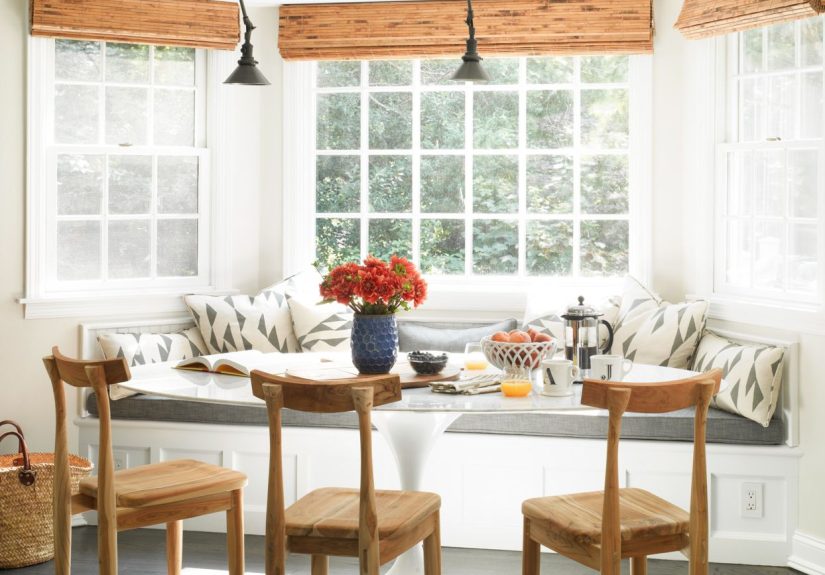
3) Add a Bay Window for Instant Architectural Charm
Bay windows aren’t just cutethey push outward, bringing in more daylight and making a room feel bigger. They can also create
a natural nook for a breakfast table, reading chair, or plant collection that’s quietly plotting world domination.
If you want “bright and picturesque,” bay windows deliver both light and a built-in sense of place.
4) Go Softer With a Bow Window (Curves = Cozy Drama)
Bow windows are similar to bay windows, but they create a gentle curve with multiple panels. The effect is airy and elegant,
like the room is wearing a tailored coat instead of a hoodie. If your style leans classic, cottage, or traditional, bow windows
can add a dreamy softnessespecially in bedrooms and dining rooms.
5) Build a Window Seat That Feels Like a Destination
A window seat turns “window” into “experience.” It gives you a reason to linger in the light, and it makes the window feel
integrated into the room rather than just… there. Add storage drawers below, a thick cushion, and one good reading lamp,
and you’ve created the coziest square footage in the house.
Style idea: match the cushion fabric to your accent colors, and add a couple of pillows with texture (linen, boucle, woven).
The seat becomes a mini feature wallwithout actually building a feature wall.
6) Try Corner Windows for Panoramic Light (and a Modern Edge)
Corner windowswhere glass wraps around a cornerpull light from two directions and visually “open” the room.
In modern homes, they can look sleek and architectural. In more traditional spaces, you can still use the idea by placing
windows on adjacent walls to mimic the same brightening effect.
Bonus: corner-lighting is often more flattering and less harsh than light coming from a single wall.
7) Use Clerestory Windows to Brighten Without Sacrificing Privacy
Clerestory windows sit high on the wall, above eye level. They’re fantastic for bringing daylight deep into a space while keeping
privacy intactperfect for bathrooms, bedrooms near neighbors, or living rooms facing the street.
They also work beautifully in rooms with tall ceilings, where you want the walls to feel lighter and the ceiling to feel higher.
8) Add Transom Windows for “Free” Light
Transom windows (often above doors or above a main window) are a small architectural detail that makes a big difference.
They can funnel extra daylight into hallways, entryways, and interior rooms that tend to be dim.
If you love older-home character, a transom can also bring that timeless charmeven in a newer build.
9) Use Skylights or Roof Windows When Wall Space Can’t Do the Job
Sometimes the center of the home is starved for daylight because there just aren’t exterior walls nearby.
That’s where skylights, roof windows, and roof monitors come in. Done well, overhead light can make kitchens and baths feel
larger, cleaner, and more open.
Design tip: place overhead light so it washes a wall or bounces off nearby surfaces, rather than creating one intense spotlight
that looks like an interrogation scene from a detective show.
10) Create a Vertical “Window Stack” to Emphasize Height
If your room has tall ceilings (or you want it to feel like it does), consider narrow, tall windows or a vertical groupingtwo or three
aligned windows stacked or placed closely together. This pulls the eye upward and creates a more dramatic silhouette from both inside
and outside.
This approach works well in stairwells, foyers, and modern living rooms where you want light and architecture to do the talking.
11) Install a Kitchen Garden Window for Light and Life
A garden window is like a tiny glass bump-out designed to hold plants. It’s especially popular over kitchen sinks because it brings in
daylight and provides a sunny perch for herbs. If you want a cheerful, “always fresh” vibe, this one delivers.
Just be realistic: basil is easy. Orchids have opinions.
12) Choose Black (or Dark) Window Frames for Crisp Contrast
Dark window frames create a clean outline that makes the view look sharperalmost like adding a subtle filter.
This can be stunning in bright rooms with white walls, warm woods, or neutral palettes. The key is balance:
echo the dark tone somewhere else (a light fixture, hardware, a thin picture frame) so the windows feel intentional, not random.
13) Color-Match Trim for a Calm, Airy “Gallery Wall” Effect
Want a quieter look than high-contrast frames? Paint your window trim the same color as the wall.
This visually reduces “busy edges,” making the wall feel larger and smoothergreat for small rooms or spaces where you want the view
to be the main event.
If you love texture, you can still keep character by using subtle trim profiles and letting shadow lines do the work.
14) Go Minimal With Trimless (or Nearly Trimless) Windows
Modern homes often use a pared-down window detailsometimes called a trimless lookwhere drywall returns or very slim casing keeps the
focus on the opening itself. The result feels clean, contemporary, and surprisingly bright because there’s less visual “frame” interrupting
the light.
This works best when the rest of the room supports the simplicity: fewer patterns, cleaner lines, and intentional materials.
15) Shape the Interior Reveal to “Scoop” More Light Into the Room
Here’s a detail most people don’t notice until it’s done: the inside edges around a window can be shaped to help light spread.
Splayed jambs (angled sides), lighter finishes inside the reveal, and thoughtful placement can make daylight reach deeper into the room.
It’s subtlelike a good haircutbut it changes the whole face of the space.
This is especially useful in thick-walled homes or renovations where windows feel a bit “tunnel-like.”
16) Treat Light Like a Dimmer Switch (Sheers, Shades, and Smart Efficiency)
The most livable bright rooms aren’t bright all the time. They’re controllably brightbecause glare is not a personality trait.
A few practical strategies:
-
Layer treatments: sheers for soft daylight + a light-filtering shade for glare control.
This keeps the room bright while still protecting screens, artwork, and your eyeballs. -
Use cellular shades for comfort: they can boost insulation when installed tightly, helping with both heat loss in winter
and solar gain in summer. -
Upgrade the glass when it matters: energy-efficient glazing choices help keep rooms comfortable without sacrificing light.
Think of it as “sunlight, but make it responsible.” -
Consider storm windows as a comfort upgrade: in many homes, adding a quality storm window can reduce drafts and improve efficiency
without a full replacement project.
Quick “Choose This If…” Cheat Sheet
- You want maximum view: Picture window + minimal trim
- You want more space: Bay or bow window
- You need privacy but crave light: Clerestory or frosted glass
- Your room feels stuffy: Fixed + operable combo (casement/awning)
- You want modern drama: Corner windows + dark frames
- You want comfort year-round: layered treatments + energy-smart upgrades
Real-World Experience Notes (500+ Words): What People Learn After Living With Their Windows
If window design ideas were just about pretty pictures, we’d all be done by now. But the “bright, picturesque space” dream lives or dies in real life:
morning sun, afternoon glare, winter drafts, nosy neighbors, and the fact that someone always forgets to close a shade when the lights go on at night.
So here are the lessons that show up again and again when homeowners actually live with their choices.
First: more light is amazinguntil it’s not. Many people fall in love with big, uncovered windows during a sunny showing,
then realize that at 4 p.m. the living room turns into a laser beam aimed directly at the TV. The “experience upgrade” here is learning to treat
window coverings like lighting controls, not like an afterthought. Sheers are the unsung heroes: they keep a room bright while taking the edge off.
Light-filtering shades add a second layer of sanity for screens and work-from-home days.
Second: the best windows create a place, not just a view. A window seat is the easiest examplepeople use it because it’s inviting,
not because it was “part of the plan.” The same idea applies to bay windows with a small café table, a kitchen garden window with herbs you actually snip,
or a big picture window with a chair angled toward it like you’re about to have a meaningful conversation with a tree. When windows invite use, the room
automatically feels brighter because people gravitate to the light.
Third: privacy is a design feature. This is where clerestory windows and transoms quietly win. They bring in daylight without putting
your entire personal life on display. People who live close to neighbors often discover that they don’t need fewer windowsthey need smarter window placement.
High windows, frosted glass in the right spots, and layered coverings let you keep the brightness while still feeling comfortable.
Fourth: trim can change the whole mood. In some homes, bold trim frames the view like a photo. In others, color-matched trim makes the wall
feel bigger and calmer. One common “aha” moment is realizing that the window isn’t just the glassit’s the entire composition: frame, casing, sill,
surrounding wall, and what’s placed near it. When those elements agree with each other, the room looks intentional even on a messy day (and yes, that includes
laundry chairsno judgment).
Fifth: comfort is what keeps the space “bright” long-term. A room can have gorgeous sunlight, but if it’s drafty or overheats, people avoid it.
That’s why energy-smart upgrades matter: choosing better glass for the climate, tightening up air leaks, and using insulating shades where they help.
The lived experience is simple: when the room feels good, you actually spend time thereand that’s when it becomes the bright, picturesque space you wanted.
The last lesson is the most human one: your windows don’t have to be perfect to be wonderful. Sometimes the biggest upgrade is cleaning the glass,
hanging curtains higher, and moving furniture so the window becomes the star again. Other times, it’s planning a new opening that finally brings light into the
center of the home. Either way, good window design isn’t about chasing a trendit’s about shaping light so your home feels better every single day.
Conclusion: Bright Rooms Are Planned, Not Just Lucky
The most beautiful window designs do two things at once: they pull in light and make the room feel like it has a point of viewliterally and stylistically.
Whether you’re adding a dramatic picture window, building a cozy bay nook, sneaking in clerestory light for privacy, or simply upgrading treatments so daylight
behaves, the goal is the same: a home that feels open, comfortable, and naturally inviting.







 Close
Close