
Table of Contents >> Show >> Hide
- 1. Walk the Yard Before You Touch Anything
- 2. Remove Debris, but Be Smart About Cleanup
- 3. Test Your Soil Before You Fertilize
- 4. Sharpen and Clean Your Yard Tools
- 5. Reset Your Mowing Routine
- 6. Edge Beds and Reclaim the Borders
- 7. Prune Dead, Damaged, and Problem Branches
- 8. Pull Weeds Early and Stay Ahead of Them
- 9. Refresh Mulch the Right Way
- 10. Top-Dress Beds With Compost
- 11. Patch Bare Spots and Thin Turf
- 12. Aerate Only if Your Lawn Actually Needs It
- 13. Divide Overgrown Perennials
- 14. Check Irrigation, Hoses, and Drainage
- 15. Water Deeply, Not Constantly
- Common Yard Maintenance Mistakes to Avoid
- A Simple Order of Operations for a Better Weekend
- Final Thoughts on the Best Yard Maintenance Tasks to Do Now
- Experience: What These Yard Maintenance Tasks Are Like in Real Life
- SEO Tags
If your yard is looking a little tired, a little scruffy, or like it spent the off-season making questionable life choices, now is the perfect time to step in. The good news? You do not need a landscape crew, a tractor, or a mysterious gardening wizard named Dale. You just need a plan.
These yard maintenance tasks will help you clean up winter mess, prevent bigger headaches later, and set up your lawn, garden beds, trees, and shrubs for a healthier season. Some jobs are quick wins. Others take a little more elbow grease. All of them make a noticeable difference.
Below, you will find 15 yard maintenance tasks to do now, plus practical tips on what matters, what can wait, and what mistakes are worth avoiding. Because yes, there is a right way to mulch, and no, volcanoes belong in geology, not around your maple tree.
1. Walk the Yard Before You Touch Anything
Before you start raking, mowing, pruning, or buying six bags of something with the word “premium” on the label, do a full walk-through. Look for broken branches, standing water, bare spots in the lawn, heaved plant roots, cracked hoses, edging that migrated over winter, and shrubs that look like they lost an argument with the wind.
This first pass helps you prioritize the work instead of bouncing around the yard like a caffeinated squirrel. Take notes or snap photos. You will spot safety issues, problem areas, and small repairs before they turn into expensive weekend projects.
2. Remove Debris, but Be Smart About Cleanup
Pick up fallen branches, twigs, storm litter, and any leaf piles smothering turf. Clear hard surfaces like patios, walkways, and driveways so water can drain properly and the whole space looks crisp again. This one task alone can make your yard look 40% more intentional.
That said, avoid stripping every inch of your landscape bare just because you are feeling productive. In garden beds, a light hand is often better than a full-blown excavation. Some organic material breaks down naturally and helps the soil. Your goal is cleanup, not sterilization.
3. Test Your Soil Before You Fertilize
This is the least glamorous task on the list, which is exactly why people skip it and then wonder why their lawn still looks moody. A soil test tells you what your yard actually needs. That means you can stop guessing about fertilizer, lime, and nutrient issues.
If your soil is already high in certain nutrients, adding more is not helpful. It is just expensive optimism in granular form. A simple soil test can guide lawn care, flower beds, and vegetable plots, and it often prevents overfertilizing, which can stress plants and waste money.
4. Sharpen and Clean Your Yard Tools
Dull mower blades tear grass instead of cutting it cleanly. Dirty pruners can spread disease. Rusty shovels are basically the yardwork version of wearing flip-flops to hike a mountain.
Now is the time to sharpen mower blades, clean hand tools, oil moving parts, and replace anything that is cracked or unsafe. It is a small maintenance step that improves every other task on this list. Better cuts mean healthier turf and cleaner pruning wounds. Your tools work harder when they are neglected, and so do you.
5. Reset Your Mowing Routine
Once the lawn is actively growing, mowing becomes a big part of yard maintenance. The trick is not mowing lower. It is mowing smarter. A common rule is to never remove more than one-third of the grass blade at a time. Scalping the lawn may feel efficient in the moment, but it stresses the grass, weakens roots, and gives weeds an open invitation.
For many lawns, a taller mowing height improves resilience, shades the soil, and helps crowd out weeds. Keep the mower blade sharp, avoid mowing when the lawn is soggy, and leave short clippings on the lawn when possible. They break down quickly and return some nutrients to the soil.
6. Edge Beds and Reclaim the Borders
Grass has ambition. If you ignore it long enough, it will happily wander into flower beds, crawl over borders, and pretend the mulch belongs to it. Recutting bed edges is one of the fastest ways to make your entire landscape look cleaner.
Use a spade or edging tool to define lines around beds, trees, and walkways. Crisp edges create visual order, make mulching easier, and help prevent lawn creep. This task is especially satisfying if your yard has been looking a little blurry around the edges lately.
7. Prune Dead, Damaged, and Problem Branches
Pruning is one of those chores that can be wonderfully helpful or spectacularly regrettable. Start with the easy stuff: remove dead, broken, rubbing, or clearly diseased branches. Thin crowded growth when needed to improve airflow and structure.
Be careful with flowering shrubs, though. Many spring bloomers set buds on old wood, which means aggressive pruning at the wrong time can remove this year’s flowers. A good rule of thumb is to prune spring-flowering shrubs after they bloom, while summer-flowering shrubs are often pruned earlier. When in doubt, prune less, not more. A haircut can help. A buzz cut in the wrong month can start neighborhood gossip.
8. Pull Weeds Early and Stay Ahead of Them
Small weeds are a nuisance. Big weeds are a campaign. Pull or dig them while the soil is workable and before they set seed. Target problem areas in lawn edges, gravel paths, and planting beds where weeds love to audition for leadership roles.
If crabgrass or annual weeds are a regular problem in your lawn, timing matters. Pre-emergent products work best before seeds germinate, not after the party starts. For many regions, that window lines up with spring soil temperatures around the mid-50s. If you missed the timing, skip the panic and focus on mowing height, dense turf, and spot treatment where appropriate.
9. Refresh Mulch the Right Way
Fresh mulch is the yard equivalent of good lighting. Everything looks better. But mulch is not just cosmetic. It helps conserve moisture, moderate soil temperature, reduce weeds, and protect soil from erosion.
Add enough mulch to refresh the bed, usually a light topping if a layer already exists. More is not better. Piling it too deep can limit airflow and water movement. And please, for the love of trees, keep mulch away from trunks and plant stems. A proper mulch ring looks tidy and helps roots. A mulch volcano looks dramatic and quietly causes problems.
10. Top-Dress Beds With Compost
If your planting beds look tired, compost is one of the best upgrades you can make. A thin layer of finished compost improves soil structure, adds organic matter, and supports healthier root growth over time. It is like feeding the soil instead of just feeding the plants.
You do not need to bury everything under a mountain of compost. A modest top-dressing is often enough, especially when followed by mulch. This is especially helpful in ornamental beds and around shrubs that have been growing in the same spot for years and could use a little nutritional encouragement.
11. Patch Bare Spots and Thin Turf
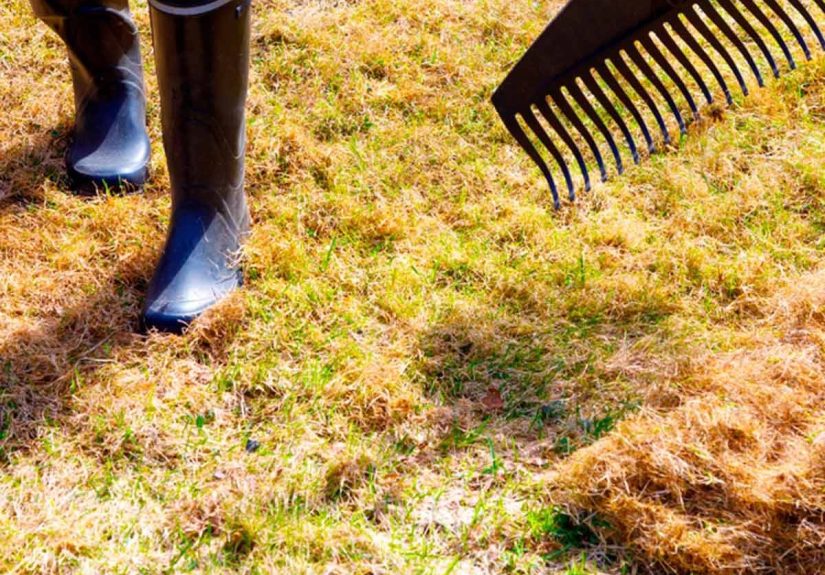
If your lawn has bare patches from pet traffic, snow mold, foot traffic, or old neglect, deal with them now before weeds move in and claim diplomatic immunity. Rake out dead material, loosen the soil surface, and reseed or patch with the right grass type for your climate and sun exposure.
Keep in mind that cool-season lawns are often best overseeded in fall, but smaller spring repairs can still be worthwhile. Water gently and consistently until the seed establishes. If you use a pre-emergent herbicide, remember that it may interfere with grass seed germination. That is one of those tiny details that causes big frustration later.
12. Aerate Only if Your Lawn Actually Needs It
Core aeration gets recommended so often that it sometimes sounds like lawn-care religion. But not every yard needs it every year. Aeration is most useful when the soil is compacted, water runs off instead of soaking in, or the lawn sees heavy traffic.
If your soil feels dense and roots struggle, aeration can improve air movement, water infiltration, and root growth. Just time it according to your grass type. For many cool-season lawns, fall is the ideal season for major aeration and overseeding. Spring aeration can still help in some cases, but it should be done thoughtfully rather than automatically.
13. Divide Overgrown Perennials
If your hostas, daylilies, ornamental grasses, or other clump-forming perennials are crowded, floppy, or blooming less than they used to, division may be the fix. Dividing perennials improves vigor, creates new plants, and keeps beds from turning into botanical traffic jams.
In general, divide plants when they are not in bloom and when weather is mild. Water them well after transplanting, and do not be surprised if they look mildly offended for a week or two. Most recover nicely once roots settle in.
14. Check Irrigation, Hoses, and Drainage
Before hot weather arrives, inspect hose bibs, spigots, nozzles, drip lines, sprinkler heads, timers, and connectors. A tiny leak does not look dramatic, but it wastes water, raises your bill, and can create soggy areas that invite disease or runoff issues.
Also pay attention to drainage. If water ponds after rain, that area may need grading, amended soil, a drainage solution, or simply different plants better suited to wet conditions. Good yard maintenance is not only about what grows. It is also about where water goes when it has opinions.
15. Water Deeply, Not Constantly
Once temperatures climb, many homeowners fall into the habit of light, frequent watering. Unfortunately, that can encourage shallow rooting. A better strategy is usually deeper, less frequent watering adjusted for your soil, turf type, and rainfall. Many lawns do well with about an inch of water per week from rain or irrigation, though local conditions matter.
Trees, shrubs, and new plantings need special attention. Newer plants often need regular watering while they establish, while mature trees benefit more from slow, deep soaking than a quick sprinkle. In short: do not water on autopilot. Water with purpose.
Common Yard Maintenance Mistakes to Avoid
Doing everything at once
You do not need to tackle the whole yard in one heroic Saturday. Start with cleanup, pruning, mowing setup, and mulching. Then move into repairs and improvements.
Using the wrong product at the wrong time
Fertilizer, pre-emergent, compost, mulch, seed, and pest controls all have different jobs. Treating them like interchangeable magic dust usually ends badly.
Ignoring plant-specific needs
Sunny lawn areas, shady borders, established trees, and new shrubs do not all want the same care. Match the task to the plant and the site.
A Simple Order of Operations for a Better Weekend
If this list feels long, use this easy sequence:
- Walk the yard and make notes.
- Clear debris and clean hard surfaces.
- Sharpen tools and prep the mower.
- Prune dead or damaged growth.
- Edge beds and pull weeds.
- Top-dress with compost and refresh mulch.
- Patch bare lawn spots and inspect irrigation.
- Finish with a realistic watering plan.
That order keeps you from mulching before you prune, seeding before you fix drainage, or fertilizing before you know what the soil actually needs. In other words, it saves you from doing the same work twice, which is a deeply annoying hobby.
Final Thoughts on the Best Yard Maintenance Tasks to Do Now
The best yard maintenance is not about perfection. It is about momentum. A tidy edge here, a sharper mower blade there, a smarter watering plan, a little compost, a little mulch, and suddenly the whole property looks healthier and easier to manage.
When you focus on the right tasks at the right time, your yard rewards you with stronger plants, fewer weeds, less stress, and fewer emergency purchases from the garden center. So start now, do the high-impact jobs first, and let your yard become the kind of place that looks cared for, even when you are not out there pretending to enjoy pulling weeds.
Experience: What These Yard Maintenance Tasks Are Like in Real Life
There is the ideal version of yard work, and then there is the real-life version, where you walk outside planning to “just do a quick cleanup” and somehow end up reorganizing the hose rack, discovering a broken sprinkler head, and holding a one-sided debate with a patch of crabgrass that has clearly overestimated its authority.
One of the biggest lessons people learn from doing these yard maintenance tasks is that small jobs are never really small in the best possible way. Edging one flower bed makes the whole yard look neater. Sharpening the mower blade makes the lawn look greener within days because the grass is cut cleanly instead of shredded. Pulling weeds early feels almost suspiciously easy compared with fighting them later when they have deep roots and a bad attitude.
Another real-world truth is that timing beats intensity. People often assume yard care is about working harder, but it is usually about doing the right thing a little earlier. Mulch before the heat arrives. Patch bare lawn spots before weeds move in. Check irrigation before the first scorching week of summer. Prune dead wood before storms make weak branches even more dangerous. When you stay a step ahead, yard work feels manageable. When you fall behind, it starts to feel like the landscape is running the household.
Experience also teaches patience. Freshly divided perennials can look unimpressed. Newly seeded spots can seem slow. A corrected watering routine does not fix stressed turf overnight. But over time, the yard starts responding. Beds fill in. The lawn thickens. Shrubs stop looking wild and start looking intentional. It is less like flipping a switch and more like building momentum one solid weekend at a time.
There is also a psychological payoff people do not talk about enough. Yard maintenance gives you visible progress. In a world full of endless emails and tasks that reproduce overnight, trimming a hedge or cleaning a border offers a rare and satisfying ending. You did a thing. The thing looks better. No follow-up meeting required.
And yes, mistakes happen. Nearly everyone has over-mulched once, pruned the wrong branch, watered too much, or bought a product with an impressive label and a disappointing result. That is normal. The good news is that most yards are forgiving when the basics are strong: healthy soil, proper mowing, smart watering, timely cleanup, and plants matched to the site.
Over time, people who stick with these yard maintenance tasks usually become more observant. They notice where water collects, which areas dry out fast, where weeds keep returning, and which shrubs bloom best after proper pruning. That knowledge makes every season easier. Eventually, you stop guessing and start reading the yard almost automatically.
So if your yard feels overwhelming right now, start with one task. Then another. Momentum is real. What begins as a simple cleanup often becomes a yard that looks healthier, functions better, and asks for less drama later. And honestly, that is the dream: a landscape that looks great without requiring the emotional energy of a reality show.







 Close
Close