
Table of Contents >> Show >> Hide
- 1. Kenny Is A Government Experiment Gone Wrong
- 2. Cartman Knows He’s A Villainand Embraces It
- 3. South Park Exists Outside Normal Reality
- 4. Randy Marsh Is The Real Main Character
- 5. Mr. Garrison Represents America’s Political Whiplash
- 6. Cartman Is Secretly Terrified Of Being Poor
- 7. The Town’s Adults Are Worse Than The Kids
- 8. Kyle Is The Show’s Moral Anchor
- 9. Stan’s Depression Episode Was Literal
- 10. Kenny Is The Most Powerful Character
- 11. Cartman Reflects Society’s Worst Traits
- 12. South Park Is Constantly Testing Its Audience
- 13. Butters Is What Cartman Refuses To Be
- 14. The Show Predicts Cultural Trends
- 15. Nothing Is Sacredand That’s The Point
- Why Fans Love These Theories
- Fan Experiences: Watching South Park With Fresh Eyes (Extended Reflections)
- Conclusion
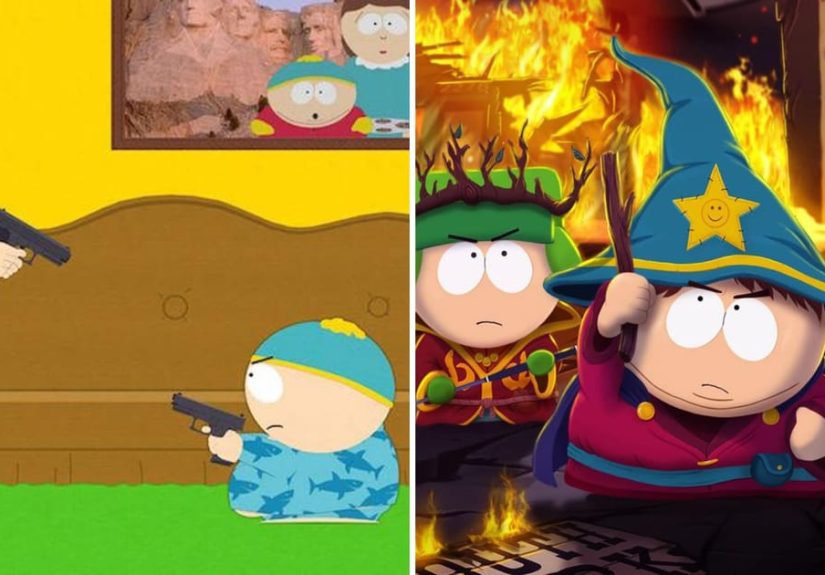
South Park has never been just a cartoon about foul-mouthed fourth graders. For more than two decades, the show has acted like a twisted mirror held up to society, politics, religion, pop culture, and human stupidity in general. Because Matt Stone and Trey Parker cram layers of satire into nearly every episode, fans have spent years digging below the surfaceand what they’ve found is a gold mine of surprisingly plausible fan theories.
Some of these theories are dark. Others are hilarious. A few are uncomfortably accurate. And the best ones make you rewatch old episodes thinking, “Wait… how did I not see this before?” Below are 15 South Park fan theories that make way too much sense, backed by recurring clues, long-running jokes, and the show’s fearless commitment to social commentary.
1. Kenny Is A Government Experiment Gone Wrong
Kenny’s constant deathsand even more bizarre resurrectionsaren’t just lazy shock humor. One popular theory suggests Kenny is the result of a secret government experiment tied to Cthulhu cults and classified science. In “The Coon” trilogy, we learn that Kenny’s parents unwittingly joined occult meetings, dooming their son to die repeatedly and return with nobody remembering.
This explains the mechanics of Kenny’s immortality while also mocking America’s obsession with secret experiments and conspiracy culture.
2. Cartman Knows He’s A Villainand Embraces It
Cartman isn’t oblivious to his own cruelty. According to many fans, he’s fully aware he’s eviland simply doesn’t care. Episodes like “Scott Tenorman Must Die” and “Casa Bonita” show long-term planning, emotional manipulation, and complete lack of remorse.
Rather than being a misunderstood kid, Cartman may represent unchecked narcissism and sociopathy thriving in plain sight.
3. South Park Exists Outside Normal Reality
Time barely moves in South Park. Characters die, wars happen, governments collapseand everything resets. The theory? South Park exists in a looping, unstable reality where consequences don’t stick.
This explains why characters rarely age, major events are forgotten, and continuity only matters when the joke needs it to.
4. Randy Marsh Is The Real Main Character
While the boys started the show, Randy slowly took over. Fans believe this reflects the creators themselves aging out of childhood perspectives.
Randy’s storylinesmidlife crises, business schemes, political meltdownsmirror adult absurdity in modern America. The kids now act mostly as observers.
5. Mr. Garrison Represents America’s Political Whiplash
From teacher to dictator to President, Mr. Garrison’s identity shifts constantly. The theory claims Garrison isn’t meant to be consistenthe’s satire incarnate.
His transformations parody America’s obsession with extremes, outrage politics, and rapidly shifting moral standards.
6. Cartman Is Secretly Terrified Of Being Poor
Cartman’s hatred of Kenny may stem from fear rather than superiority. Poverty scares him more than anything else.
Episodes dealing with money, homelessness, or losing status consistently send Cartman into panic mode, suggesting his cruelty masks insecurity.
7. The Town’s Adults Are Worse Than The Kids
Fans argue the real villains of South Park aren’t the children, but the adults who panic, overreact, and pass bad laws.
The kids often solve problems logically while adults spiral into hysteriaan intentional inversion of responsibility.
8. Kyle Is The Show’s Moral Anchor
Kyle frequently delivers the final moral speech. The theory suggests he represents rational liberal conscienceoften ignored, sometimes mocked, but usually right.
Unlike preachy characters, Kyle’s morality is imperfect and emotional, making him relatable rather than sanctimonious.
9. Stan’s Depression Episode Was Literal
In “You’re Getting Old,” Stan sees everything as crapliterally. Fans believe this wasn’t metaphorical exaggeration but a straightforward depiction of depression.
The show shockingly treated mental health seriously, hiding raw truth inside gross humor.
10. Kenny Is The Most Powerful Character
Immortality alone makes Kenny dangerousbut the theory goes further. He subconsciously controls his deaths to protect the timeline.
When reality is threatened, Kenny dies to reset events. It’s absurd… and oddly consistent.
11. Cartman Reflects Society’s Worst Traits
Rather than a single villain, Cartman embodies collective selfishness, racism, and entitlement.
He survives because society enables himjust like real-world figures who thrive despite obvious flaws.
12. South Park Is Constantly Testing Its Audience
Fans believe Stone and Parker intentionally bait outrage to see who misses the point.
If you’re offendedbut can’t explain whyyou might be the joke.
13. Butters Is What Cartman Refuses To Be
Butters is vulnerable, hopeful, and naivethe opposite of Cartman’s armor of cruelty.
This contrast highlights how empathy is punished while selfishness often wins.
14. The Show Predicts Cultural Trends
From influencer culture to political insanity, South Park frequently “predicts” the future.
Fans argue it’s not propheticit’s just brutally observant.
15. Nothing Is Sacredand That’s The Point
The biggest theory of all: South Park has no ultimate message beyond skepticism.
Everything deserves scrutiny. Especially things that claim they don’t.
Why Fans Love These Theories
What makes these theories resonate is how closely they align with the show’s DNA. South Park thrives on uncomfortable truths wrapped in juvenile humor. By refusing to take sides, it forces viewers to confront their own assumptions.
Fan Experiences: Watching South Park With Fresh Eyes (Extended Reflections)
Longtime fans often describe the strange experience of revisiting South Park years later and realizing how differently episodes hit as adults. Jokes that once seemed random suddenly feel targeted. Randy’s meltdowns feel familiar. Stan’s disillusionment feels personal.
Many viewers report that South Park helped them understand satire itself. Early on, it teaches you to question why something is funny, not just laugh automatically. That skill carries into real lifeespecially in the age of social media outrage.
Some fans recall bonding with friends over theory debates. Is Cartman pure evil or deeply broken? Is Kenny suffering eternally or protecting reality? These arguments often end with laughter, but also with surprising emotional insight.
Others say South Park helped them cope during stressful political periods. Because the show mocks everyone equally, it can feel strangely comforting in polarizing times. No side escapes unscathed, which reminds viewers not to take themselves too seriously.
For many, South Park becomes a time capsule. Watching older episodes brings back memories of when certain controversies first emerged. The show didn’t just comment on cultureit archived it, weirdness and all.
In the end, these fan theories persist because South Park rewards attention. The more you think about it, the more it reveals. That layered rewatch value is why the series remains relevant decades laterand why fans will never stop dissecting every joke.
Conclusion
South Park endures because it refuses to be simple. Behind the swearing, shock, and toilet humor lies sharp observation about power, identity, and human behavior. These fan theories don’t just explain the showthey highlight why it still matters.






 Close
Close