
Table of Contents >> Show >> Hide
- 1) Tickled (2016): From Giggly Fetish to Full-Blown Harassment
- 2) McMillions (2020): A Fast-Food Game with Rigged Winners
- 3) Pepsi, Where’s My Jet? (2022): A Joke Ad Becomes a Real Lawsuit
- 4) Fyre: The Greatest Party That Never Happened (2019): The VIP Festival That Melted Down
- 5) The Social Dilemma (2020): Your Phone, Their Business Model
- 6) Class Action Park (2020): When “No Rules” Means Real Injuries
- 7) Three Identical Strangers (2018): A Feel-Good Reunion Hides an Experiment
- 8) The Tinder Swindler (2022): Modern Romance, Classic Con
- 9) Wild Wild Country (2018): From “Utopian” Commune to National Scandal
- 10) The Vow (2020–2022): Self-Help That Became a Cult
- 11) Our Father (2022): Trusting Your DoctorUntil DNA Kits Speak
- 12) The Inventor: Out for Blood in Silicon Valley (2019): Disruption Meets Patients’ Lives
- 13) Blackfish (2013): Splashy Shows, Hidden Toll
- 14) Sour Grapes (2016): Wine Collecting, but Make It Crime
- Common Threads: Why Harmless Turns Horrifying
- How to Watch Smarter (and Safer)
- Conclusion
- of Real-World “Harmless to Dark” Experiences
On the surface, some stories look sweet, silly, or downright wholesomecompetitive tickling, a soda giveaway, an amusement park with a loopy waterslide. Then the camera zooms in, and… yikes. This list rounds up 14 documentaries that begin with seemingly harmless topics and spiral into fraud, manipulation, danger, or full-on disaster. Expect sharp summaries, fun-but-respectful commentary, and clear takeaways for viewers who love a jaw-drop reveal.
1) Tickled (2016): From Giggly Fetish to Full-Blown Harassment
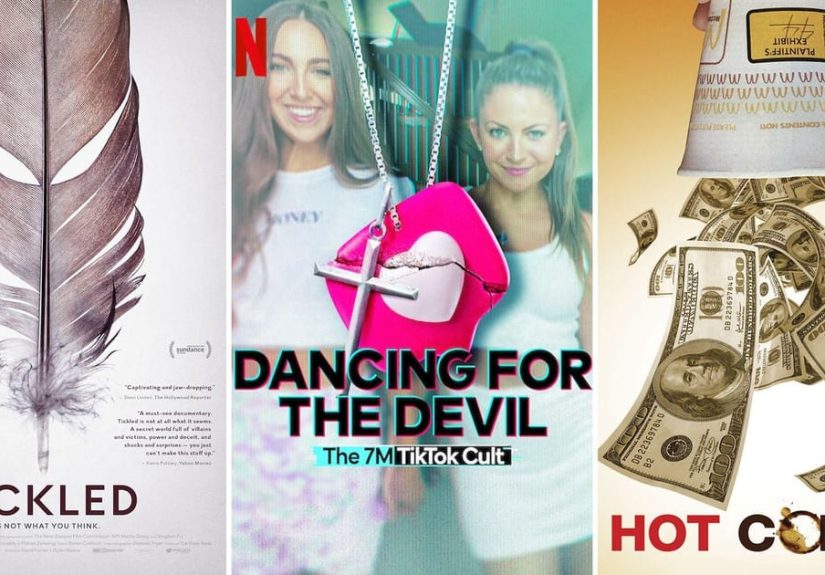
New Zealand journalist David Farrier stumbles on “competitive endurance tickling,” then discovers a web of intimidation and legal threats behind the giggles. What starts as a quirky subculture turns into a chilling look at power, stalking, and doxxing. A follow-up short, The Tickle King, documents the fallout.
2) McMillions (2020): A Fast-Food Game with Rigged Winners
Remember McDonald’s Monopoly? Harmless peel-and-win stickers, right? HBO’s six-parter reveals the contest was quietly hijacked for years by a security insider who diverted the high-value pieces, creating a sprawling criminal network and nearly no legitimate million-dollar winners. It’s a masterclass in how a feel-good promotion can hide industrial-scale fraud.
3) Pepsi, Where’s My Jet? (2022): A Joke Ad Becomes a Real Lawsuit
Pepsi’s 1990s commercial joked that seven million Pepsi Points could nab you a Harrier jet. A college kid did the mathand tried to collect. The series turns a cheeky marketing gag into a courtroom saga about offers, acceptance, and fine print in advertising.
4) Fyre: The Greatest Party That Never Happened (2019): The VIP Festival That Melted Down
Marketed as a luxury island experience with villas and gourmet food, Fyre delivered FEMA tents and cheese sandwiches. The Netflix doc assembles viral receipts to show how hype, influencers, and magical thinking torched millionsand hurt locals who fronted real labor and cash.
5) The Social Dilemma (2020): Your Phone, Their Business Model
Social media looks like harmless connection and entertainment. The film argues it’s an attention-extracting machine that nudges behavior, amplifies outrage, and monetizes you. Interviews with tech insiders make the case that “it’s free” often means “you’re the product.”
6) Class Action Park (2020): When “No Rules” Means Real Injuries
New Jersey’s Action Park was legendary for DIY thrills and jaw-dropping rides (hello, Cannonball Loop). Behind the nostalgia lies a record of accidents, lax oversight, and preventable tragediesproof that fun without guardrails can get very dark, very fast.
7) Three Identical Strangers (2018): A Feel-Good Reunion Hides an Experiment
Triplets separated at birth reunite by chance, charming 1980s TV audiences. Then the doc peels back the smiley veneer: an adoption agency placed them in different homes as part of a secret study on nature vs. nurture, with painful long-term consequences.
8) The Tinder Swindler (2022): Modern Romance, Classic Con
Swiping for love seems innocentuntil a jet-setting grifter convinces dates to bankroll his lifestyle. The film captures how curated feeds and urgency can override red flags, and how victims mobilized after the credits rolled.
9) Wild Wild Country (2018): From “Utopian” Commune to National Scandal
What begins as a spiritual community in rural Oregon escalates into political control, weapons stockpiles, immigration fraud, and a bioterror attack. The series shows how idealism, when fused with charismatic authority, can curdle into coercion.
10) The Vow (2020–2022): Self-Help That Became a Cult
NXIVM sold self-improvement workshops with executive-success vibes. The docuseries details manipulation, star-powered recruiting, and crimes that led to the leader’s convictionan anatomy of how “coaching” can drift into trafficking and psychological abuse.
11) Our Father (2022): Trusting Your DoctorUntil DNA Kits Speak
Fertility medicine promises hope. This film uncovers a doctor who secretly used his own sperm to inseminate patients for decades, with dozens of unsuspecting half-siblings discovering the truth via home DNA tests.
12) The Inventor: Out for Blood in Silicon Valley (2019): Disruption Meets Patients’ Lives
Theranos pitched painless finger-stick blood tests that could “change the world.” The documentary maps how credulous investors, glowing press, and reality-defying secrecy pushed a non-working technology into clinicsuntil investigations, regulators, and courts intervened.
13) Blackfish (2013): Splashy Shows, Hidden Toll
Orca performances felt family-friendly; the film argues captivity inflicts profound harm on whales and trainers alike, focusing on Tilikum’s history. The cultural impact spurred intense scrutiny of marine parks and corporate partnerships.
14) Sour Grapes (2016): Wine Collecting, but Make It Crime
High-end wine auctions seem like the genteel edge of luxury culture. Then a wunderkind collector is unmasked as a prolific counterfeiter who duped elites with expertly faked bottlesturning tasting notes into evidence tags.
Common Threads: Why Harmless Turns Horrifying
- Soft entry points. Games, ads, parks, wellness classes, and social platforms lower our guard with familiarity and fun.
- Asymmetric power. Charismatic founders, anonymous bullies, and credentialed professionals can exploit trust or obscurity.
- Hype + opacity. Slick marketing and secrecy often outrun facts (see: Fyre, Theranos, NXIVM).
- Digital accelerants. Social media magnifies both the con (romance scams, viral ads) and the accountability (crowdsourced sleuthing, whistleblowing).
How to Watch Smarter (and Safer)
Question the wrapper. If a documentary opens with a cheery premise, watch for incentives and conflicts. Follow the money. Promotions and “community” programs often mask business models. Verify claims. When a product, guru, or app promises frictionless magic, ask who’s auditing the resultsand whether the data can be independently replicated.
Conclusion
In each of these films, the hook is the same: something that looks safe and simple hides something sharp underneath. That’s a great reason to keep watching documentariesand an even better reason to read the fine print in real life.
SEO Deliverables
sapo: Think a tickling contest, a soda sweepstakes, or a self-help class sounds innocent? Think again. These 14 documentaries start with soft, familiar premises and veer into fraud, manipulation, and disaster. From Tickled and McMillions to Blackfish and The Inventor, this in-depth guide breaks down what happened, why it mattered, and how to watch smarter. Expect sharp analysis, spoiler-safe context, and real-world takeaways that linger long after the credits roll.
of Real-World “Harmless to Dark” Experiences
When “fun” is the foot in the door. I’ve seen (and countless viewers have commented on) how the most disarming beginningsraffles, clubs, themed classesset the stage for risk. A community improv night seems like a creative outlet; then the charismatic organizer starts moving the group off-platform, collecting dues in cash, and enforcing “attendance expectations.” It’s not illegalbut the vibes shift. The lesson from docs like The Vow and Wild Wild Country is to treat charisma as a signal to widennot narrowyour skepticism. Ask what governance exists, whether dissent is welcome, and how refunds or exits work. If the answers get fuzzy or you’re told you’re “not ready” for transparency, that’s your sign.
Small print and big promises. Marketing teams know that playful hooks lower guardrails. A sweepstakes with an outlandish prize (Pepsi, Where’s My Jet?) or a gamified loyalty program (McMillions) feels like entertainment, not contract law. But the second you exchange money, personal data, or effort, you’re in a legal relationshipone that’s usually written to protect the brand. A practical move: screenshot terms at the time you participate and note any changes. It’s boring. It’s also what future-you needs if things get messy.
“Move fast” meets human bodies. The tech world’s “iterate in public” ethos is a poor fit for clinical promises. The Inventor underlines how breathless storytelling and fear of missing out can barrel past basic validation. If a product claims to compress a complex process (like dozens of lab assays) into something “magical,” your next question should be: where’s the blinded, peer-reviewed dataand who verified it? No glossy demo compensates for independent replication.
Platforms as accelerants. The Fyre catastrophe and The Social Dilemma both show how virality can outpace due diligence. Influencers seldom have the bandwidth (or incentive) to perform forensic audits of what they’re selling. Consumers can add speed bumps: wait a week, look for third-party reviews without affiliate links, and see how a brand responds to specific, technical questions. If answers are all vibes and no verifiable details, keep your wallet closed.
Fun places, serious liabilities. With parks and events, the “wow” is engineered to eclipse the “how.” Class Action Park is an extreme case, but the lesson generalizes: safety is a system, not a mood. Before you strap in, glance at maintenance logs if they’re posted, watch how staff enforce rules, and scan for third-party inspections. If enforcement is theatrical rather than consistent, consider sitting the ride out.
Trust, but verify (even intimacy). Romantic apps and fertility care are built on trust. The Tinder Swindler and Our Father show how that trust can be exploited. In dating, verify identities before money or travel enter the chat; treat “emergencies” and requests to move to encrypted apps as bright red flags. In medicine, ask how your samples are tracked, who audits the chain of custody, and what complaint procedures exist outside the clinic. The goal isn’t paranoiait’s informed consent.
Last word. These films aren’t arguments to stop having fun, joining communities, or trying new tools. They’re reminders that harmless packaging can be the camouflage that bad actors count on. Stay curiousand keep a hand on the receipt.







 Close
Close