
Table of Contents >> Show >> Hide
- Why Single Stem Bud Vases Work So Well
- 10 Easy Pieces: The Best Types of Single Stem Bud Vases
- 1. The Clear Glass Classic
- 2. The Recycled Glass Bud Vase
- 3. The Borosilicate Glass Tube Vase
- 4. The White Ceramic Single Stem Vase
- 5. The Stoneware Bud Vase Set
- 6. The Colored Soda Glass Vase
- 7. The Metal or Brass Accent Bud Vase
- 8. The Test Tube Propagation Vase
- 9. The Sculptural Arch Bud Vase
- 10. The Tall Slim Single Stem Vase
- How to Choose the Right Single Stem Bud Vase
- Where to Style Single Stem Bud Vases
- Best Flowers for Single Stem Bud Vases
- How to Make One Stem Look Intentional
- Care and Cleaning Tips
- of Real-Life Experience: Living With Single Stem Bud Vases
- Conclusion: Small Vase, Big Design Payoff
A single stem bud vase is the tiny home accessory with suspiciously large confidence. It does not ask for a market-sized bouquet, a floral design certificate, or a sink full of trimmings. It simply says: give me one rose, one ranunculus, one tulip, one twig with personality, and I will make this windowsill look curated. That is the quiet magic of single stem bud vases: they turn small gestures into deliberate design.
Unlike oversized vases that can make three lonely flowers look like they missed the bus, a bud vase is built for restraint. Its narrow neck supports one or two stems, keeping the arrangement upright and intentional. The best versions are not just miniature flower holders; they are sculptural accents for shelves, bedside tables, powder rooms, desks, mantels, dining settings, and those oddly empty corners that keep judging your decorating skills.
Below is a fresh, design-minded guide to ten easy pieces: single stem bud vases in materials and styles that work for real homes. Think clear glass, ceramic, recycled glass, colored soda glass, metal, stoneware, borosilicate glass, acrylic, and even test-tube designs. The goal is not to buy more stuff for the sake of stuff. The goal is to choose small vessels that make one stem feel like a complete thought.
Why Single Stem Bud Vases Work So Well
The appeal of a single stem bud vase starts with scale. Most homes have small surfaces that need a little life but not a full centerpiece: a bathroom vanity, a nightstand, a stack of coffee table books, the corner of a work desk, or a kitchen windowsill. A bud vase slips into these spaces without creating clutter. It adds height, color, texture, and a soft natural element in one tiny footprint.
There is also the budget-friendly factor. A full bouquet can be beautiful, but it can also feel like a small financial event. With bud vases, one bunch of supermarket flowers can be divided across several rooms. A single peony on a bedside table, a sprig of eucalyptus in the bathroom, and a clipped herb stem near the kitchen sink can make the whole house feel more alive. It is decorating by multiplication, not extravagance.
Single stem vases also encourage better floral choices. Instead of hiding flowers in a crowded arrangement, they allow the shape of one bloom to shine. A curved tulip becomes architectural. A poppy looks theatrical. A rose looks classic without trying too hard. Even a bare branch or dried grass stem can become a small sculpture.
10 Easy Pieces: The Best Types of Single Stem Bud Vases
1. The Clear Glass Classic
If you are buying only one bud vase, start with clear glass. It works with every decorating style, from farmhouse to modern apartment to “I just moved in and my sofa is still negotiating with the rug.” Clear glass keeps the focus on the flower and allows the stem to become part of the display. This is especially useful for long, graceful stems such as tulips, sweet peas, cosmos, ranunculus, or a single rose.
Look for a narrow opening, a stable base, and glass that feels substantial enough not to tip over when the flower leans. A slightly flared lip can soften the shape, while a straight cylinder feels more modern. Clear glass is also easy to clean, which matters because bud vases are small and can quickly show cloudy water if ignored.
2. The Recycled Glass Bud Vase
Recycled glass bud vases bring a softer, more organic personality. They often have tiny bubbles, swirls, or slight irregularities that make each piece feel unique. A pale blue, smoky gray, or green tint can add subtle color even before you add flowers. These vases are excellent for casual rooms: breakfast nooks, relaxed living rooms, garden rooms, and shelves with books and woven baskets.
Pair recycled glass with stems that have movement. Try a single anemone, a small branch, a sprig of flowering mint, or a loose garden rose. The combination feels easy and fresh, as if you just wandered in from the garden with excellent taste and no visible effort.
3. The Borosilicate Glass Tube Vase
Borosilicate glass has a crisp, lightweight look often associated with laboratory glassware. In bud vase form, it feels clean, modern, and a little clever. A tube-shaped interior can hold a stem upright while an outer glass shell adds sculptural interest. This type of vase is perfect for minimalist rooms, contemporary dining tables, or offices where a bulky floral arrangement would be too much.
Use it for one dramatic stem: an orchid cutting, an anthurium, a calla lily, a tulip, or a single branch of greenery. The transparency makes every line visible, so trim leaves below the waterline and keep the water fresh. In a borosilicate vase, messiness has nowhere to hide.
4. The White Ceramic Single Stem Vase
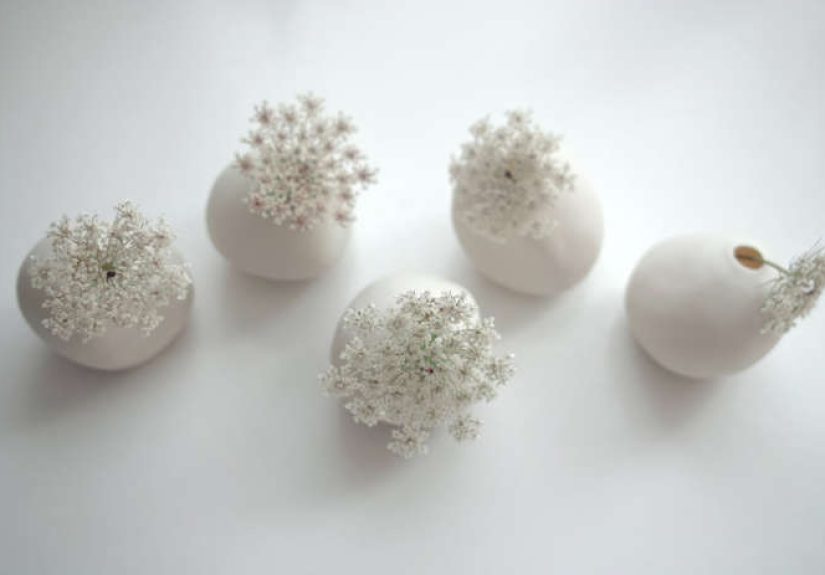
White ceramic is the quiet luxury option. It feels handmade, neutral, and calm. A matte finish leans modern and earthy; a glossy glaze feels cleaner and more traditional. White ceramic bud vases are especially useful when you want the flower color to pop. A red ranunculus, yellow daffodil, pink carnation, or purple iris looks more vivid against a simple white vessel.
This style works beautifully on a nightstand or bathroom vanity because it does not compete with other objects. It also photographs well, which may or may not matter to your household, depending on how often your breakfast tray becomes a lifestyle moment.
5. The Stoneware Bud Vase Set
A set of stoneware bud vases is ideal for people who like a collected look but do not want to spend years hunting antique shops. Stoneware adds texture and weight, and the set format makes styling easier. Place three along a dining table, cluster five on a mantel, or scatter them across a long console table.
The trick is to vary stem heights. One short bloom, one medium stem, and one tall airy piece will look more natural than three flowers cut to the same length. Stoneware pairs especially well with dried grasses, lavender, chamomile, small chrysanthemums, and wildflower-style arrangements.
6. The Colored Soda Glass Vase
Colored soda glass bud vases are cheerful without being loud. Soft pink, amber, blue, green, yellow, or milky white can add a little mood to a room even when the vase is empty. These are excellent for renters or anyone hesitant to commit to bold wall colors. A tiny vase is a low-risk color experiment. If the yellow one is too perky for the bedroom, send it to the kitchen. It will recover emotionally.
For best results, coordinate the flower with the glass tone. Pink glass with white cosmos feels romantic. Amber glass with dried wheat feels autumnal. Blue glass with a white tulip feels crisp and coastal. Green glass with herbs or fern-like stems looks fresh and botanical.
7. The Metal or Brass Accent Bud Vase
Metal bud vases bring shine, contrast, and a hint of glamour. Brass, gold-finished metal, or matte aluminum can make a single stem feel more decorative. Some designs combine clear glass with a metal lid or collar, creating a small opening that keeps the flower upright. This is useful for thin stems that might flop around in a wider vase.
Use metal bud vases sparingly in rooms that already have metallic finishes. One brass bud vase near a lamp or picture frame can tie the look together. Too many shiny objects, and suddenly the console table starts auditioning for a jewelry store.
8. The Test Tube Propagation Vase
Test tube bud vases are practical and playful. They are especially popular for plant cuttings, herbs, and propagation sprigs. A wood arch, metal frame, or simple stand holds one or more glass tubes, turning tiny stems into a graphic display. This style is perfect for a windowsill, kitchen shelf, home office, or plant-lover’s corner.
Use it for pothos cuttings, mint, basil, ivy, small wildflowers, or a single delicate bloom. The narrow glass tube makes it easy to monitor water levels and root growth. It is part vase, part science project, and part proof that your plant obsession is actually interior design.
9. The Sculptural Arch Bud Vase
A sculptural arch bud vase is for anyone who wants the vessel to matter as much as the flower. These vases often feature curved forms, cutouts, carved surfaces, or dimensional grooves. They look good empty, which is important because real life includes days when the flowers are gone and the grocery run has not happened.
Because the vase itself has a strong shape, keep the stem simple. Try one dried palm spear, a single billy button, a small rose, or a clean branch. The point is balance: the vase provides the architecture, and the stem provides the gesture.
10. The Tall Slim Single Stem Vase
The tall slim bud vase is built for drama on a small scale. Its narrow profile supports long stems and adds vertical interest to low surfaces. It works well on mantels, entry tables, and dining tables where you want height without blocking conversation. Nobody wants to spend dinner speaking through a floral jungle.
Choose this style for long-stemmed roses, tulips, calla lilies, snapdragons, delphinium, or a single branch. The base should be stable and weighted, especially if the vase is going in a busy home with pets, kids, or enthusiastic elbow movements.
How to Choose the Right Single Stem Bud Vase
Consider the Opening
The opening is the most important detail. A true single stem bud vase should have a narrow mouth that supports the flower. If the opening is too wide, the stem will lean awkwardly and look accidental. For one rose or tulip, a small opening keeps everything upright. For a slightly fuller look, choose a vase that can hold two or three slim stems.
Match Material to Mood
Glass feels light and clean. Ceramic feels soft and grounded. Stoneware feels earthy. Brass or metal feels polished. Acrylic can be practical in homes where breakage is a concern. Wood-and-test-tube styles feel casual and botanical. There is no single best material; there is only the material that suits the room and the way you live.
Think About Height
Short bud vases are ideal for bedside tables, bathrooms, and place settings. Medium-height vases work well on shelves and coffee tables. Tall slim vases are better for mantels, consoles, and dining tables. As a rule, the flower should look supported, not swallowed, and not as though it is desperately trying to escape.
Where to Style Single Stem Bud Vases
One of the best things about bud vases is that they fit almost anywhere. On a dining table, line up five small vases instead of one large centerpiece. Guests can still see each other, and the table feels festive without looking overdecorated. For a more relaxed look, use mismatched vases in similar tones.
On a nightstand, a single stem adds softness without crowding books, glasses, chargers, and the mysterious lip balm collection that appears beside every bed. In a bathroom, a tiny vase instantly makes the space feel more considered. Even one stem near the sink can turn a plain powder room into a guest-ready corner.
On a desk, choose a narrow vase that leaves room for a keyboard, notebook, or coffee. A single flower is enough to make the workday feel less mechanical. Just keep the vase stable and away from electronics, because “I watered my laptop” is not a productivity strategy.
Best Flowers for Single Stem Bud Vases
Some flowers are natural stars in bud vases. Roses, tulips, ranunculus, anemones, dahlias, carnations, daffodils, sweet peas, cosmos, zinnias, poppies, and calla lilies all work beautifully. For greenery, try eucalyptus, rosemary, mint, fern stems, olive branches, or clipped garden foliage. For dried arrangements, lavender, bunny tail grass, billy buttons, wheat, and dried palm leaves are excellent choices.
Before placing any stem in water, remove leaves that would sit below the waterline. This helps keep the water cleaner and extends the life of the flower. Trim the stem at an angle so it can drink more easily. Refresh the water daily or every other day, especially in tiny vases where water can get cloudy quickly.
How to Make One Stem Look Intentional
The secret is negative space. A single stem needs room around it. Do not bury the vase in clutter. Give it a small stage: a book stack, a tray, a windowsill, or a clean corner of the table. If the flower has a dramatic curve, turn the vase until the line looks graceful from the main viewing angle.
Grouping also helps. Three bud vases together can look more finished than one, especially if their heights vary. Try one tall glass vase, one short ceramic vase, and one medium colored vase. Keep the flowers related by color or shape so the grouping feels intentional rather than like a tiny vase convention.
Care and Cleaning Tips
Bud vases may be small, but they require regular cleaning. Narrow necks can trap residue, especially if flowers sit too long. Use warm water, a small bottle brush, and mild soap. For cloudy glass, a little white vinegar and water can help remove mineral buildup. Rinse thoroughly before adding fresh stems.
For ceramic and stoneware vases, check whether the inside is fully glazed and watertight. Some decorative vessels are meant for dried stems only. If you are unsure, test with water on a protected surface before placing the vase on wood furniture. A beautiful vase is lovely; a water ring on a walnut table is a small domestic tragedy.
of Real-Life Experience: Living With Single Stem Bud Vases
The best thing about single stem bud vases is that they change how you see flowers. Instead of waiting for a formal occasion, you start noticing small possibilities. One broken hydrangea stem from a larger bouquet is no longer a loss; it becomes a bathroom moment. A rosemary sprig from the kitchen becomes a fragrant desk companion. A slightly bent tulip, which might look awkward in a bouquet, becomes charming when it gets its own vase and a little breathing room.
In everyday use, I have found that bud vases work best when they are kept accessible. If they are hidden in a high cabinet behind the holiday platters, they will not be used. Keep a few in a kitchen cabinet, on an open shelf, or grouped on a tray. That way, when you bring home flowers, you can quickly divide them into smaller arrangements. One grocery bouquet can become five little displays: one for the dining table, one for the bedroom, one for the entry, one for the bathroom, and one for the desk. Suddenly the whole home feels touched by flowers, not just one room.
Another helpful lesson is to stop overthinking the stem. A bud vase does not require the “perfect” flower. In fact, imperfect stems often look better because they have personality. A curved tulip can lean like a dancer. A slightly wild cosmos can add movement. A single carnation, unfairly underestimated for years, can look surprisingly elegant when placed in a clean ceramic vase. Even a stem of basil or mint can look beautiful in a tiny glass vessel near the kitchen sink.
Bud vases are also excellent for entertaining because they solve the classic centerpiece problem. Large arrangements can block sightlines, shed pollen, take up serving space, and occasionally behave like a floral wall between guests. Small bud vases avoid all of that. Arrange them down the center of the table with candles, linen napkins, and simple dishes. The table looks finished, but people can still pass the salad without navigating a botanical obstacle course.
For small apartments, single stem vases are especially useful. They bring freshness without demanding floor space or major maintenance. A tiny vase on a windowsill can make a rental kitchen feel more personal. A clear glass vase with one branch can make a plain bookshelf look styled. A white ceramic vase beside a lamp can soften a room that has too many hard surfaces.
The biggest practical tip is to own a variety of heights. Short vases are perfect for broken stems and tiny blooms. Medium vases handle most supermarket flowers. Tall slim vases are essential for roses, lilies, tulips, and branches. With three sizes, you can handle almost anything natureor the clearance flower bucketthrows at you.
Finally, single stem bud vases encourage a slower kind of decorating. They ask you to look at one flower carefully: its curve, color, texture, and shadow. That small act can make a room feel calmer. And in a home full of screens, cords, deadlines, and laundry with suspiciously renewable energy, one quiet flower in one tiny vase can feel like a very reasonable luxury.
Conclusion: Small Vase, Big Design Payoff
Single stem bud vases prove that decorating does not have to be loud, expensive, or complicated to feel beautiful. A clear glass tube, a handmade ceramic vessel, a colored soda glass vase, or a sculptural arch design can turn one flower into a complete arrangement. The key is to choose the right material, opening, height, and location for your space.
Whether you prefer minimalist glass, rustic stoneware, cheerful colored glass, or a modern test-tube propagation vase, the single stem bud vase is one of the easiest home upgrades you can make. It is affordable, flexible, giftable, and wonderfully forgiving. Best of all, it lets one small bloom do what flowers do best: make a room feel alive.






 Close
Close