
Table of Contents >> Show >> Hide
- Before You Start: The 60-Second Indoor Herb Setup
- The 10 Best Herbs to Grow Inside Year-Round
- 1) Basil
- 2) Mint
- 3) Parsley
- 4) Chives
- 5) Cilantro (Coriander)
- 6) Thyme
- 7) Oregano
- 8) Rosemary
- 9) Sage
- 10) Dill (with a smart indoor strategy)
- Quick Pairings: Which Herbs Like Being Neighbors?
- Troubleshooting: Common Indoor Herb Problems (and Fixes That Work)
- Harvest Like a Pro (So the Plant Keeps Producing)
- Final Snip: Your Simple Year-Round Indoor Herb Plan
- Real-World Indoor Herb Experiences (So You Don’t Make the Same Mistakes Everyone Makes)
Fresh herbs are one of life’s smallest flexes. You’re making eggs, you snip a little something green, and suddenly you’re a person who “finishes dishes.”
The best part? You don’t need a backyard, a greenhouse, or a mystical bond with the moon. With a bright window (or a grow light), a few pots, and a tiny bit of
consistency, you can grow flavorful herbs indoors all year long.
This guide breaks down the 10 best herbs to grow inside year-round, plus exactly how to keep them thriving when your house is dry in winter,
the sun is being stingy, and your basil is auditioning for a daytime drama. You’ll also get practical setup tips, troubleshooting, and a real-world “what I wish I knew”
section from common indoor-gardening experiences.
Before You Start: The 60-Second Indoor Herb Setup
1) Light is the boss
Most culinary herbs want bright light. A sunny south- or southwest-facing window is ideal. If your home’s natural light is limited,
a simple LED grow light can turn “sad winter windowsill” into “herb buffet.”
Rotate pots every few days so plants don’t lean like they’re trying to overhear your cooking gossip.
2) Choose the right containers
Use pots with drainage holes. If water can’t escape, roots sit in a soggy swamp and herbs respond by… not being alive anymore.
A saucer is great; a permanently wet pot is not.
3) Potting mix beats garden soil
Indoors, you want a light, well-draining potting mix (not heavy outdoor dirt). Mediterranean herbs (like rosemary, thyme, and oregano) especially prefer
soil that drains fast and dries a bit between waterings.
4) Water like a calm person
The most common indoor-herb mistake is overwatering. A quick test: stick your finger into the soil about an inch deep. If it’s still moist, wait.
If it’s dry, water thoroughly and let excess drain away.
5) Temperature and airflow matter
Most herbs are happy in typical indoor temperatures. Keep them away from icy drafts and blasting heat vents.
A little airflow helps prevent pests and mildew, but don’t park them in a wind tunnel.
6) Harvesting is not just allowedit’s helpful
Regular snipping encourages bushier growth and keeps herbs productive. Think of harvesting as
“strategic trimming,” not “plant theft.”
The 10 Best Herbs to Grow Inside Year-Round
How this list is picked
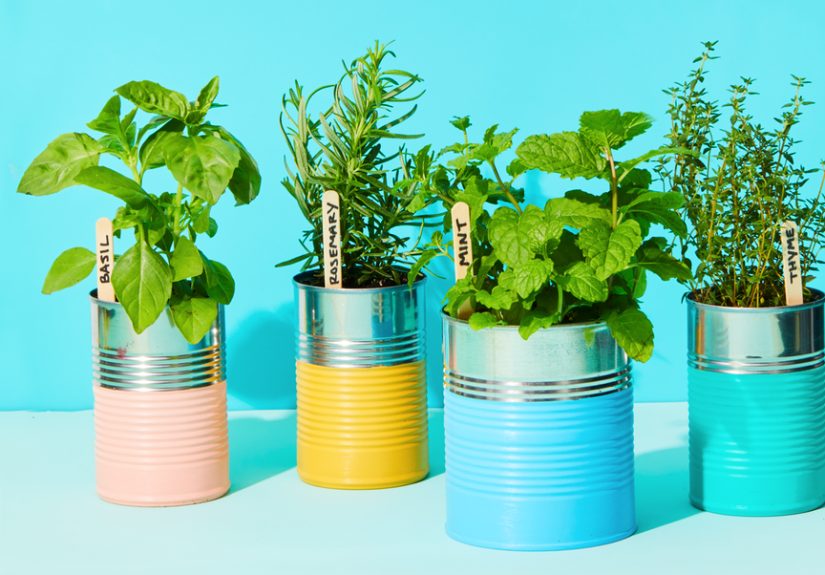
These herbs are popular in American kitchens, adapt well to containers, and can produce reliably indoors with bright light (natural or artificial).
Some are ultra-forgiving; others are a little picky but worth it for the flavor.
1) Basil
Basil is the crowd favoriteand the most dramatic. Give it warmth, steady moisture, and strong light, and it will reward you with fast growth and
big flavor. Neglect it for two days and it may write a breakup note.
Indoor tips
- Pinch early and often: Snip above a set of leaves to encourage branching (bushy basil = more leaves).
- Keep soil evenly moist: Not soggy, not bone drythink “wrung-out sponge.”
- Give it warmth: Basil dislikes cold windows and chilly drafts.
Best uses
Pesto, caprese salad, pasta, sandwiches, and “I added basil so now it’s a restaurant meal.”
2) Mint
Mint is unstoppablein a good way and a “why is it everywhere?” way. It’s one of the easiest indoor herbs, but it should live in its own pot
because it grows vigorously and can bully neighbors.
Indoor tips
- Separate pot: Mint spreads aggressively; keep it solo.
- Bright light, flexible attitude: It tolerates less-than-perfect conditions better than many herbs.
- Trim frequently: Regular harvest keeps it lush and tender.
Best uses
Tea, mojitos, fruit, yogurt, salads, and any situation where you want instant freshness.
3) Parsley
Parsley is the underrated workhorse. It’s not just a garnishit’s a flavor booster that can brighten soups, sauces, and roasted veggies.
Indoors, it grows steadily if it gets enough light.
Indoor tips
- Be patient at the start: Parsley can be slow to germinate from seed, so many people start with a small plant.
- Harvest the outer stems: Snip older growth first to encourage fresh leaves from the center.
- Moderate moisture: Keep it evenly watered, but don’t drown it.
Best uses
Chimichurri, soups, roasted potatoes, pasta, salads, and anything that needs a “green wake-up call.”
4) Chives
Chives are basically “instant upgrade.” They’re compact, forgiving, and regrow quickly after you snip them.
If you want an herb that behaves, start here.
Indoor tips
- Cut and come again: Trim leaves a couple of inches above the soil so the plant keeps producing.
- Bright light: Helps keep growth sturdy rather than floppy.
- Don’t overfeed: Too much fertilizer can make chives lush but less flavorful.
Best uses
Eggs, baked potatoes, cream cheese, salads, and “I want onion flavor but not onion commitment.”
5) Cilantro (Coriander)
Cilantro can be tricky because it bolts (flowers) when stressedespecially in heat. Indoors, you can stretch the season by giving it good light
and slightly cooler conditions.
Indoor tips
- Cooler is better: Cilantro appreciates temps that aren’t overly warm.
- Succession sowing: Plant a small batch every 2–3 weeks for continuous harvest.
- Harvest frequently: Regular cutting encourages leafy growth.
Best uses
Salsas, tacos, curries, rice bowls, and anything that deserves a bright, citrusy punch.
6) Thyme
Thyme is the low-drama friend who always shows up. It’s a Mediterranean herb that likes bright light and drier soil.
Indoors, it stays compact and productive with minimal fuss.
Indoor tips
- Let it dry slightly: Water when the top inch of soil is dry.
- Strong light: Prevents leggy stems and weak flavor.
- Harvest stems: Snip sprigs as needed; it bounces back well.
Best uses
Roasted chicken, vegetables, beans, soups, and anything that needs cozy, savory depth.
7) Oregano
Oregano is a year-round MVP for anyone who cooks even vaguely Italian (or loves pizza with passion).
Indoors it thrives with bright light and well-drained soil.
Indoor tips
- Go easy on water: Oregano prefers to dry a bit between waterings.
- Pinch to branch: Frequent harvesting keeps it bushy.
- Don’t over-fertilize: Too much feeding can reduce intensity of flavor.
Best uses
Tomato sauces, marinades, roasted veggies, and any dish that wants “comfort food energy.”
8) Rosemary
Rosemary tastes like a piney vacation and looks like a tiny indoor shrub. It can be grown indoors year-round, but it’s pickier:
it needs very bright light and careful watering. Once you learn its preferences, it’s wonderfully rewarding.
Indoor tips
- Brightest spot you’ve got: Rosemary is not here for “dim corner vibes.”
- Drainage is critical: Soggy soil is a fast track to root problems.
- Water thoughtfully: Don’t keep it constantly wet, but don’t let it fully desiccate either.
Best uses
Roasted potatoes, chicken, bread, olive oil infusions, and anything that needs bold, woodsy flavor.
9) Sage
Sage is cozy-season perfectionearthy, aromatic, and surprisingly easy indoors if you give it strong light and don’t overwater.
Its soft, silvery leaves also make your herb corner look fancy.
Indoor tips
- Let soil dry slightly: Sage prefers less frequent watering than basil or parsley.
- Harvest sparingly at first: Let the plant build strength, then snip leaves as needed.
- Good airflow helps: Prevents mildew on fuzzy leaves.
Best uses
Brown butter sage sauces, roasted squash, poultry, stuffing, and “I’m cooking like it’s the holidays” energy.
10) Dill (with a smart indoor strategy)
Dill can be grown indoors year-round, but it’s best approached with a plan. It prefers bright light and can get tall,
so many indoor gardeners grow it in deeper pots and harvest young fronds often. It’s also a great candidate for
hydroponic or countertop systems if you want steady, clean growth.
Indoor tips
- Use a deeper container: Dill roots appreciate space.
- Give strong light: Prevents floppy, weak stems.
- Grow in batches: Plant new seeds every few weeks for a continuous supply of tender fronds.
Best uses
Salmon, yogurt sauces, pickles, potatoes, and “this tastes like a deli in the best way.”
Quick Pairings: Which Herbs Like Being Neighbors?
Grouping herbs by similar needs makes indoor care much easier. The big divider is usually watering preference.
- “Dry-ish, sunny crew”: rosemary, thyme, oregano, sage (fast-draining soil; water after partial dry-down)
- “Even moisture crew”: basil, parsley, cilantro (more consistent watering; don’t let them fully dry out)
- “Give me my own pot”: mint (because mint is mint)
Troubleshooting: Common Indoor Herb Problems (and Fixes That Work)
Problem: Leggy, pale growth
This usually means “not enough light.” Move plants to a brighter window, add a grow light, and rotate pots regularly.
Pinch back tips to encourage branching.
Problem: Yellow leaves and mushy stems
Often overwatering. Let the soil dry a bit more between waterings, ensure the pot drains freely, and never let the pot sit in standing water.
If the soil smells sour or stays wet for days, consider repotting into fresh, dry mix.
Problem: Tiny flying bugs (fungus gnats)
Fungus gnats love constantly moist soil. Let the surface dry between waterings, use sticky traps, and avoid overwatering.
Bottom watering can help keep the top layer drier.
Problem: Sticky leaves or webbing under leaves
Aphids and spider mites can show up indoors. Inspect weekly. Rinse leaves with lukewarm water and wipe them down.
If needed, use an insecticidal soap labeled for edible plants (and follow the directions carefully).
Harvest Like a Pro (So the Plant Keeps Producing)
Harvesting isn’t just about dinnerit’s also plant training. Regular snipping encourages new growth and keeps herbs from getting woody or lanky.
A few rules of thumb:
- Don’t take more than about one-third at a time (especially on slower growers).
- Cut above a leaf node to trigger branching (perfect for basil, oregano, mint).
- For chives: snip leaves like you’re giving a haircutquick, neat, and repeatable.
Final Snip: Your Simple Year-Round Indoor Herb Plan
If you want a no-regrets starter set, begin with chives, mint, basil, thyme, and parsley.
That mix covers a huge range of cooking styles and gives you a blend of “easy wins” and “fast payoff.”
Add cilantro (with succession sowing) and rosemary (with bright light) once your setup feels dialed in.
Remember: indoor herbs don’t need perfectionthey need consistency. Light, drainage, and calm watering will get you most of the way there.
The rest is just enjoying the ridiculous satisfaction of snipping herbs you grew yourself.
Real-World Indoor Herb Experiences (So You Don’t Make the Same Mistakes Everyone Makes)
Indoor herb gardening looks effortless on social media: a perfectly styled windowsill, tiny scissors, and someone whispering “just snip what you need.”
In real life, it’s more like: you snip what you need, the basil panics, the mint tries to conquer the countertop, and suddenly you’re googling
“why are my herbs sad” at 11:42 p.m. Here are common experiences indoor herb growers run intoplus what typically fixes things.
1) The Great Winter Light Disappointment. A window that seems bright in summer can turn into a gloomy cave in winter.
Many people notice their herbs getting leggy (long stems, fewer leaves) or growing toward the glass like they’re trying to escape.
The “aha” moment for a lot of indoor gardeners is realizing that adding a small grow light is less of a fancy upgrade and more of a
year-round stability tool. Even a basic LED grow light can dramatically improve leaf density and flavor.
2) Overwatering: The Most Loving Mistake. Indoors, you’re close to your plants all the timeso you tend to water them all the time.
People often report that herbs look droopy, so they water, and the herb looks worse, so they water again. That spiral usually ends with yellow leaves,
soggy soil, and a moment of silence. A more reliable habit is checking the soil first (finger test), using pots with drainage holes, and watering deeply
only when needed. This alone solves a huge percentage of indoor-herb tragedies.
3) The Mint Takeover. Many indoor gardeners learn the “mint rule” the hard way: mint does best in its own pot.
If you plant it with slower-growing herbs, mint can hog resources and crowd them out. But the flip side is that mint is incredibly rewarding.
It bounces back quickly, tolerates imperfect schedules, and gives you a steady supply for tea and cooking. The common happy ending is
letting mint live solo and trimming it regularlylike giving it a job so it stays out of trouble.
4) Grocery Store Herbs: The “Why Is This So Hard?” Moment. A lot of people start by buying a grocery store basil plant and bringing it home,
only to watch it decline. That’s not always your faultthose plants are often crowded (many seedlings jammed together) and raised for quick sale,
not long-term indoor life. Indoor growers frequently find better success by gently dividing crowded clumps into separate pots, giving them better light,
and pinching early to encourage bushiness.
5) Pests Indoors (Yes, Really). People are often shocked to find aphids or spider mites inside the house.
The common experience is noticing sticky leaves, tiny specks, or webbing under foliageespecially when indoor air is dry.
The most practical routine is a quick weekly inspection, rinsing leaves when needed, and improving airflow.
Catching pests early is the difference between “mild inconvenience” and “why are my plants auditioning for a horror movie.”
6) The Best Surprise: Flavor and Confidence. Once you get the basics right, indoor herbs can become a small daily joy.
People often say they cook more at home because fresh herbs are right there. They experiment morethyme on roasted veggies, oregano in marinades,
chives on everything. And the confidence boost is real: it’s hard not to feel capable when you can keep a tiny edible garden thriving through winter.
Bottom line: indoor herb gardening is less about having a perfect setup and more about learning a few patternslight, drainage, watering rhythm, and harvest habits.
When you treat your herbs like living ingredients (not static decorations), they tend to reward you with steady growth and better-tasting food all year long.







 Close
Close