
Table of Contents >> Show >> Hide
- What Is a Dislocated Shoulder?
- Common Signs of a Dislocated Shoulder
- How to Fix a Dislocated Shoulder: 10 Steps
- Step 1: Stop moving the shoulder immediately
- Step 2: Do not try to pop it back in yourself
- Step 3: Support the arm in a comfortable position
- Step 4: Remove rings, watches, or tight items if swelling is starting
- Step 5: Apply a cold pack for pain and swelling
- Step 6: Get urgent medical care
- Step 7: Expect an exam and usually an X-ray
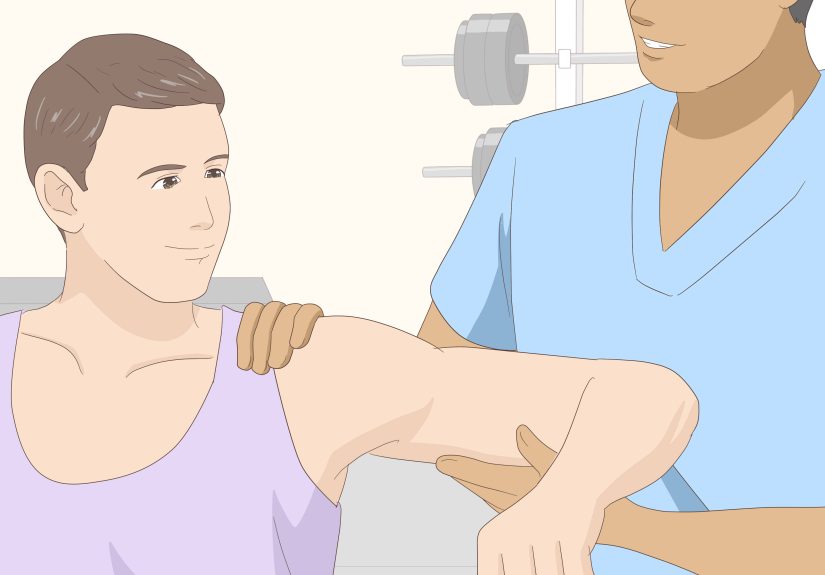
- Step 8: Let the shoulder be reduced by a professional
- Step 9: Follow the recovery plan, including sling use and pain control
- Step 10: Commit to rehabilitation and a gradual return to activity
- What Happens After the Shoulder Is Put Back in Place?
- When to Go to the ER Right Away
- Common Mistakes People Make After a Shoulder Dislocation
- How Long Does Recovery Take?
- How to Lower the Risk of Another Dislocation
- Real-World Experiences With a Dislocated Shoulder
- Conclusion
A dislocated shoulder is not the kind of problem you solve with grit, a YouTube video, and a questionable pain tolerance. It is a real joint injury, and the safest way to “fix” it is to get the shoulder properly evaluated and reduced by a medical professional. So yes, this article uses the title How to Fix a Dislocated Shoulder: 10 Steps, but let’s be clear from the jump: this is not a DIY guide for forcing your shoulder back into place in the kitchen like an action-movie extra. This is the smart, medically grounded version.
The shoulder is the body’s most mobile major joint, which is great for throwing, lifting, reaching, swimming, and dramatically pointing at things. It is also why the shoulder is especially vulnerable to dislocation. When the ball at the top of the upper arm bone slips out of the socket, pain, swelling, weakness, and a visible deformity can show up fast. Some people also feel tingling or numbness down the arm, which is your body’s way of saying, “Please stop improvising and get help.”
If you are publishing an article for readers searching for answers, the most useful approach is to explain what a dislocated shoulder is, what to do right away, what treatment usually looks like, and how recovery works. That is exactly what this article delivers.
What Is a Dislocated Shoulder?
A dislocated shoulder happens when the head of the humerus, the upper arm bone, comes partially or completely out of the shoulder socket. In many cases, the injury follows a fall, a sports collision, a car accident, or a forceful twist with the arm in an awkward position. The joint may look visibly out of place, the pain is often intense, and moving the arm can feel nearly impossible.
It is also common for nearby tissues to get hurt during the injury. That can include the labrum, ligaments, tendons, muscles, and sometimes nerves or blood vessels. That is one reason doctors often use imaging, especially X-rays, before and after treatment. A shoulder that “just popped out” may also involve a fracture, soft tissue injury, or instability that raises the risk of future dislocations.
Common Signs of a Dislocated Shoulder
- Sudden, severe shoulder pain
- Swelling or bruising
- A shoulder that looks visibly deformed or out of place
- Inability to move the arm normally
- Weakness, numbness, or tingling in the arm or hand
- Muscle spasms around the shoulder
If the hand looks pale, cool, or weak, or if numbness is getting worse, that is even more urgent. At that point, this is not a “maybe I’ll ice it and see” situation.
How to Fix a Dislocated Shoulder: 10 Steps
Step 1: Stop moving the shoulder immediately
The first step is simple: stop. Do not try to test your range of motion. Do not “shake it out.” Do not attempt a brave little shoulder roll. A dislocated shoulder needs protection, not experimentation. Keep the arm as still as possible and close to the body.
Step 2: Do not try to pop it back in yourself
This is the most important step in the article. A suspected dislocated shoulder should not be forced back into place by you, your friend, your coach, your cousin who “watched a medic do it once,” or the loudest person in the room. A bad attempt can worsen tears, aggravate fractures, and injure nerves or blood vessels. The real fix starts with professional evaluation.
Step 3: Support the arm in a comfortable position
Use a sling if one is available, or gently support the arm against the chest using a folded towel or soft cloth. The goal is not to create a perfect medical device out of household items. The goal is to reduce motion and avoid additional strain while getting help.
Step 4: Remove rings, watches, or tight items if swelling is starting
Swelling can show up quickly after a shoulder injury. If there are rings, bracelets, or a tight watch on the injured side, remove them early before swelling makes that much harder. Do not waste time wrestling with clothing if moving the shoulder causes severe pain; comfort and safety come first.
Step 5: Apply a cold pack for pain and swelling
Use an ice pack or a bag of frozen vegetables wrapped in a cloth. Leave it on for about 15 to 20 minutes at a time. Do not put ice directly on the skin unless frostbite sounds like a fun plot twist. Cold can help reduce pain and swelling while you wait for medical care.
Step 6: Get urgent medical care
A suspected shoulder dislocation usually needs urgent care, an emergency department, or immediate evaluation by a qualified medical professional. If the injury happened after a fall, collision, or accident, or if the shoulder looks deformed, getting checked promptly matters. This is especially true if there is numbness, weakness, worsening swelling, or trouble moving the arm.
Step 7: Expect an exam and usually an X-ray
When you get medical care, a clinician will examine the shoulder and check circulation, sensation, and nerve function. X-rays are commonly used to confirm the dislocation and look for fractures or other injuries. In some cases, additional imaging like MRI or CT may be recommended later if there is concern about labral tears, rotator cuff damage, or repeated instability.
Step 8: Let the shoulder be reduced by a professional
The treatment that actually puts the shoulder back where it belongs is called a reduction, often a closed reduction when it is done without surgery. This is usually performed by a trained clinician, and pain control or sedating medication may be used depending on the situation. Once the joint is back in place, many people feel noticeable relief pretty quickly. That does not mean the whole problem is over; it means the next phase begins.
Step 9: Follow the recovery plan, including sling use and pain control
After reduction, the shoulder is often placed in a sling or immobilizer for a period of time. Ice, rest, and pain medicine may be part of the plan. Some people recover with nonsurgical care, while others may need orthopedic follow-up, especially after repeated dislocations, sports injuries, fractures, or soft tissue damage. Take medications only as directed, and do not assume feeling better on day three means the shoulder is ready for weekend basketball.
Step 10: Commit to rehabilitation and a gradual return to activity
Rehab matters more than many people expect. Once a clinician says it is safe, physical therapy or a home program may help restore range of motion, strength, and stability. This step is what helps reduce the chance of future dislocations. Trying to rush back into lifting, throwing, contact sports, or overhead work too early can turn one bad day into a recurring series.
What Happens After the Shoulder Is Put Back in Place?
Many readers assume treatment ends once the shoulder is reduced. Not quite. A dislocation often stretches or tears the structures that stabilize the joint, especially the labrum and ligaments. That is why aftercare is so important.
Recovery commonly includes:
- A sling or shoulder immobilizer for a short period
- Ice and rest in the early phase
- Pain management with clinician-approved medication
- Progressive motion exercises when medically cleared
- Strengthening work for the rotator cuff and shoulder stabilizers
- Follow-up with orthopedics or sports medicine if needed
In younger athletes and people with repeat dislocations, the shoulder can remain unstable after the first injury. In older adults, a dislocation may be more likely to involve a rotator cuff tear. Either way, follow-up matters.
When to Go to the ER Right Away
A dislocated shoulder deserves prompt care, but some symptoms raise the urgency even more. Seek emergency help right away if:
- The shoulder looks obviously deformed
- You cannot move the arm at all
- You have numbness, tingling, or weakness
- The hand looks pale, cool, or poorly perfused
- The injury followed a major fall, crash, or sports collision
- You also have chest tightness, trouble breathing, or sweating
That last one may sound unrelated, but shoulder pain can sometimes overlap with other emergencies. If the symptoms do not fit a simple injury story, it is worth being extra cautious.
Common Mistakes People Make After a Shoulder Dislocation
- Trying to reduce the joint at home
- Letting an untrained person yank on the arm
- Skipping medical evaluation because the pain eased up
- Returning to sports too soon
- Ignoring numbness, weakness, or repeated instability
- Stopping rehab the second the shoulder feels “pretty okay”
Shoulder injuries love a false sense of confidence. The pain improves, and suddenly people start making bold decisions. Bold decisions are how shoulders earn sequels.
How Long Does Recovery Take?
Recovery varies depending on age, severity, associated injuries, whether it is a first-time or repeat dislocation, and the demands of work or sports. Some people improve within a few weeks, but full recovery often takes longer. It is common to need weeks of protection and months of rehab. In some cases, lingering soreness or stiffness can last much longer, and surgery may be recommended if the joint stays unstable or important tissues were damaged.
Translation: the shoulder may stop yelling before it is actually ready. Listen to the treatment plan, not just your optimism.
How to Lower the Risk of Another Dislocation
- Finish your rehabilitation program
- Build rotator cuff and shoulder blade strength
- Warm up before sports or workouts
- Use proper technique for overhead movements
- Avoid returning to contact sports until medically cleared
- Pay attention to any “loose,” slipping, or unstable feeling
If you have had multiple dislocations, do not brush off that history. Recurrent instability is a real problem, and early orthopedic evaluation can help prevent more damage.
Real-World Experiences With a Dislocated Shoulder
One reason this injury gets so much online attention is that the experience is dramatic. People remember exactly where they were when it happened. A basketball player goes up for a rebound, lands awkwardly, and instantly knows something is very wrong. A cyclist falls over the handlebars, gets up, and notices one shoulder looks… not like the other shoulder. A teenager dives for a volleyball, a weekend softball player slides badly, a skier catches an edge, a parent slips on wet stairs while carrying laundry. Different stories, same miserable headline: severe pain, frozen movement, and a rising sense that the shoulder has officially resigned from normal employment.
What many people describe first is the shock. It is not always just pain, although pain is usually front and center. It is the weirdness of the arm not behaving normally. People often say the shoulder feels unstable, “out,” or impossible to position comfortably. Some recall tingling into the hand. Others notice that the injured arm instinctively stays close to the body because any attempt to move it feels like a terrible negotiation.
Then comes the decision point. The smartest experiences usually involve the person stopping activity right away, getting help, and resisting the urge to let somebody on the sidelines “fix it.” Coaches, teammates, friends, and relatives often mean well, but shoulder injuries are not a confidence contest. Readers benefit from hearing this because real-life stories often expose the temptation to take shortcuts. The people who tend to do best are the ones who treat the injury seriously from the start.
After professional reduction, another common experience is surprise. Many people say the relief is immediate compared with the pre-reduction pain, but they also learn that relief is not the same thing as recovery. Wearing a sling for days or weeks can be annoying. Sleeping is awkward. Getting dressed becomes a puzzle. Showering turns into a one-arm engineering project. Even desk work can be surprisingly uncomfortable. This is where expectations matter. People who assume they will be “back to normal in a couple of days” are usually disappointed.
Rehabilitation is another shared experience. At first, the exercises can seem too gentle to matter. Then later, the strengthening work becomes more challenging, and people realize how much the shoulder depends on coordinated muscles around the joint and shoulder blade. Athletes often describe the mental side of recovery too. The first time they return to practice or contact drills, there can be hesitation. That is normal. Confidence usually returns with time, strength, and repeated successful movement.
Perhaps the most useful lesson from real-world experience is this: a dislocated shoulder is rarely “just a pop.” It is an injury with a story before, during, and after the event. Readers want practical guidance, but they also want honesty. The honest version is that fast evaluation, proper treatment, patience, and rehab make a huge difference. The shoulder may be resilient, but it also keeps score.
Conclusion
If you are searching for how to fix a dislocated shoulder, the answer is not to force it back in at home. The safe path is to protect the arm, avoid moving the joint, use ice, and get urgent medical care so the shoulder can be properly evaluated and reduced. From there, recovery depends on smart aftercare, follow-up, and rehabilitation. It is not glamorous, but it is a lot better than turning one dislocation into a repeat performance.
In other words, the best way to “fix” a dislocated shoulder is the boring, responsible, medically sound way. Boring wins this one.





 Close
Close