
Table of Contents >> Show >> Hide
- Why Faux Plants Get So Dusty (and Why It Matters)
- The Easy Way Starts With the Right Question: “Dry Clean or Wet Clean?”
- The 60-Second Routine (So You Rarely Need a Deep Clean)
- Supplies You Probably Already Own
- How to Clean Faux Plants by Material (So You Don’t Ruin Them)
- The Easiest Cleaning Methods (Pick One)
- Method A: Microfiber wipe (best all-around)
- Method B: Cool hair dryer or compressed air (best for intricate greenery)
- Method C: Vacuum with a brush attachment (best for heavy dust)
- Method D: The shower rinse (best for sturdy, washable faux plants)
- Method E: Vinegar-water spot clean (best for fingerprints and stubborn marks)
- Method F: The “bag-and-shake” trick (best for small, dusty pieces)
- Targeted Fixes for Real-Life Messes
- How Often Should You Clean Faux Plants?
- Common Mistakes That Make Faux Plants Look Worse
- Keep Them Cleaner Longer (Because You Have Better Things To Do)
- FAQ: Quick Answers
- Conclusion: Clean Faux Plants, Same Day Confidence
- Experiences: What I’ve Learned After Cleaning Faux Plants the Hard Way (So You Don’t Have To)
Faux plants are the ultimate low-drama roommates: they don’t need sunlight, they don’t get spider mites, and they never look at you with that “you forgot to water me” guilt.
But they do have one hobbycollecting dust like it’s their full-time job.
The good news: learning how to clean faux plants the easy way is mostly about picking the gentlest method that actually works for the material you’ve got
(plastic, silk, “real-touch,” or something in between). With the right routine, your faux fiddle leaf fig won’t look like it’s wearing a gray sweater, and your fake eucalyptus won’t
scream “I came from aisle 12.”
Why Faux Plants Get So Dusty (and Why It Matters)
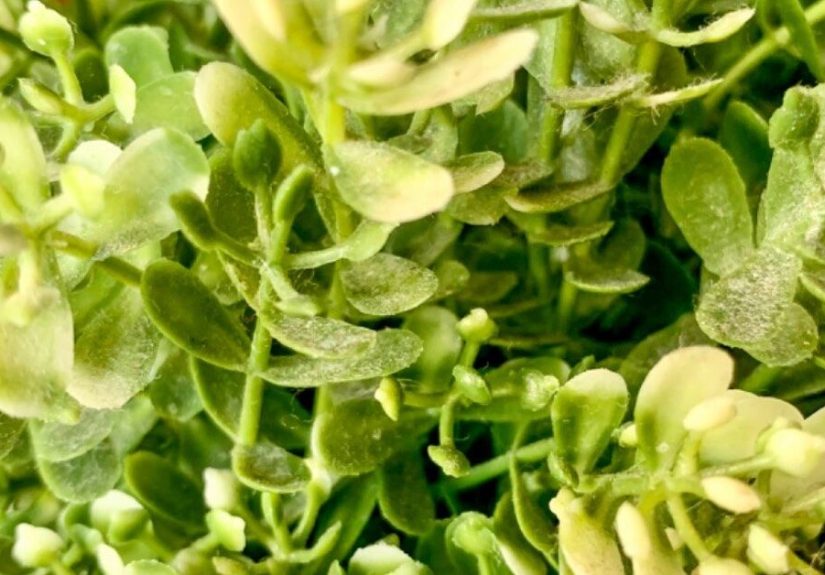
Real plants get occasional “showers” (watering, misting, humidity, or a rinse in the sink). Faux plants? They just sit there, quietly gathering airborne dust, pet hair, and cooking residue.
Dust buildup does two annoying things: it dulls color and texture, and it makes even high-quality faux greenery look obviously fake.
The Easy Way Starts With the Right Question: “Dry Clean or Wet Clean?”
Here’s the simplest rule that saves the most time: start dry, then go damp (or fully wet) only if you need to.
Dry methods remove loose dust fast and prevent turning dust into grime paste.
Quick decision guide
- Dry cleaning (microfiber, soft brush, vacuum brush, cool air) is best for most faux plants, especially silk, flocked, or delicate pieces.
- Damp wiping is best for plastic/PE leaves and sturdy stems with fingerprints, kitchen film, or sticky spots.
- Rinsing/soaking is best only for sturdy plants with no electrical parts and no “delicate coating” (like flocking or glitter).
The 60-Second Routine (So You Rarely Need a Deep Clean)
If you want faux plants that look expensive without actually doing expensive-person chores, do this quick routine once a month (or more often in kitchens, near vents, or if you have pets):
Step 1: Start at the top
Dust falls downward, so begin with the highest leaves and work your way down the plant. This avoids re-dusting the same leaf twice.
Step 2: Use a microfiber cloth (lightly damp is even better)
A microfiber cloth grabs dust instead of redistributing it. Lightly mist the cloth with water (don’t soak it) and wipe the top and underside of larger leaves.
For tiny leaves, switch to a soft paintbrush or makeup brush and sweep dust out of crevices.
Step 3: Finish with a quick “detail sweep”
Hit leaf joints, stems, and tight curls where dust loves to hide. A small brush, a cotton swab, or a gentle blast of cool air works great here.
Supplies You Probably Already Own
- Microfiber cloths (2: one for dusting, one for drying)
- Soft paintbrush or clean makeup brush (for grooves and small leaves)
- Feather duster or lambswool duster (great for delicate arrangements)
- Vacuum with a soft brush attachment (use low suction)
- Hair dryer (cool setting) or compressed air (short bursts)
- Mild dish soap
- White vinegar (for occasional spot cleaning)
- Spray bottle (optional, but handy)
- Old towel or sheet (to catch falling dust)
How to Clean Faux Plants by Material (So You Don’t Ruin Them)
1) Plastic / PE / “basic faux greenery” (the sturdy kind)
These are the easiest to clean. They can usually handle damp wiping and, sometimes, a gentle rinse.
- Dry dust first with a microfiber cloth or soft duster.
- Damp wipe with plain water for light grime.
- For sticky film, add a drop of dish soap to a bowl of water, dip your cloth, wring it well, and wipe.
- Rinse option: For very dirty sturdy plants, rinse in the sink or shower with a gentle spray. Let air dry fully.
2) Silk / polyester leaves and “fabric blooms” (the delicate kind)
Silk-style faux plants look great until you soak them and the dye decides it wants to become watercolor art. Keep these mostly dry:
- Brush dust off with a clean makeup brush or soft paintbrush.
- Use cool air (hair dryer on cool, low speed) to blow dust from petals and tight clusters. Do this outdoors if possible.
- Spot clean only with a barely damp cloth. Test an inconspicuous spot first for color transfer.
- Skip soaking unless you know the piece is washable and colorfast.
3) “Real-touch” latex/foam/PU (soft and realistic, but picky)
These often feel amazing and look convincinguntil harsh cleaners or heavy soaking break down the coating.
Treat them gently:
- Dust with a soft cloth or feather duster.
- If needed, wipe with mild soap and water on a cloth, then wipe again with plain water.
- Don’t saturate. Let air dry completely before putting back in place.
4) Faux plants with wires, lights, or delicate coatings
If it plugs in, has embedded wires, or has flocking/glitter/“snow,” assume water is a bad idea.
Stick with: microfiber wipe, soft brush, vacuum brush on low, and cool air.
The Easiest Cleaning Methods (Pick One)
Method A: Microfiber wipe (best all-around)
This is the “I want results in five minutes” method.
- Lay a towel under the plant.
- Start at the top and wipe each leaf with a microfiber cloth.
- For better dust capture, lightly mist the cloth with waterjust enough to make it barely damp.
- Use a brush for leaf veins and tight areas.
Method B: Cool hair dryer or compressed air (best for intricate greenery)
Perfect for faux ferns, wreaths, dense garlands, and anything with tiny leaves that would take forever to wipe one by one.
- Take the plant outside (or into a bathtub if you must).
- Use a hair dryer on cool, low speed, and hold it several inches away.
- Work top to bottom, short passes.
- Finish with a quick microfiber touch-up on any remaining dusty spots.
Method C: Vacuum with a brush attachment (best for heavy dust)
This is great for sturdy faux trees with lots of surface area.
- Use the soft brush attachment and keep suction low.
- Lightly “skim” the leaves rather than pressing hard.
- Follow with a microfiber cloth for a final polish.
Method D: The shower rinse (best for sturdy, washable faux plants)
This method feels strangely satisfyinglike giving your plant a spa day it didn’t earn but definitely needed.
- Remove the plant from its decorative pot if possible (or cover the pot’s top with plastic wrap to protect filler).
- Rinse with a gentle spray of cool to lukewarm water.
- If grime is present, wipe with a cloth dipped in mild soapy water.
- Rinse again to remove soap residue.
- Shake gently and let air dry completely. A towel blot helps speed things up.
Method E: Vinegar-water spot clean (best for fingerprints and stubborn marks)
If you’ve got smudges or “what even is that?” spots, a diluted vinegar solution can helpespecially on sturdier materials.
- Mix a small amount of white vinegar with water in a spray bottle (or a bowl).
- Test a hidden area first.
- Apply to a cloth (not directly to the plant if you can avoid it) and wipe the spot.
- Wipe again with plain water on a clean cloth, then dry.
Method F: The “bag-and-shake” trick (best for small, dusty pieces)
For small faux greenery without lights or delicate coatings, a gentle abrasive can help knock dust loose.
Keep it optional and use common sense: if your plant is fragile, skip this.
- Put a small arrangement in a large bag.
- Add a bit of salt (or another fine, dry pantry staple) and seal the bag.
- Shake gently for a short time.
- Remove the plant and brush off any residue outdoors.
Targeted Fixes for Real-Life Messes
Kitchen grease + dust = sticky grime
Faux plants near stoves and cabinets collect a thin oily film that traps dust. Start with a dry wipe, then use a cloth with warm water and a tiny drop of dish soap.
Rinse-wipe with plain water and dry with a clean towel.
Pet hair
Pet hair loves faux greenery. A vacuum brush on low suction works fast, and a damp microfiber cloth picks up what the vacuum misses.
For tiny leaves, a lint roller can help on sturdy piecesjust don’t yank delicate foliage.
Outdoor faux plants
Outdoor faux plants can usually handle a gentle hose rinse. Avoid harsh sprays that bend stems or blast off coatings.
Let them dry in shade when possible to reduce fading.
How Often Should You Clean Faux Plants?
- Monthly: Quick microfiber wipe (or brush + cool air for delicate pieces).
- Seasonally (2–4x/year): Deeper clean for high-traffic rooms, kitchens, or near vents.
- As needed: After cooking marathons, parties, or renovations (drywall dust is the villain of the year).
Common Mistakes That Make Faux Plants Look Worse
- Skipping the dry step: wetting dust first turns it into grime.
- Using hot air: heat can warp plastic and damage coatings.
- Over-wetting silk: dye can bleed and petals can deform.
- Spraying cleaner directly onto leaves: apply to the cloth instead to avoid streaks and buildup.
- Using harsh chemicals: strong cleaners can dull finish and break down “real-touch” coatings.
- Ignoring undersides: dusty undersides make plants look fake faster than you’d think.
Keep Them Cleaner Longer (Because You Have Better Things To Do)
Placement is prevention
If possible, keep faux plants away from vents, heavy foot traffic, and cooking zones. Dust in the air will always win, but you can make it work harder.
Dust like you mean it
When you dust shelves, give faux plants a quick swipe too. Dusting is easier when it’s “light and fluffy,” not “caked-on and judgmental.”
Optional trick: a light dust-repelling mist (use cautiously)
Some cleaning pros suggest lightly misting artificial greenery with hairspray to help repel dust. If you try it, do a small test first and keep it very lightbuildup can backfire
and attract more grime over time.
FAQ: Quick Answers
Can I wash faux plants in the shower?
Yesif the plant is sturdy plastic/PE and has no wires, lights, or delicate coatings. Use gentle water pressure and let it dry completely.
What’s the fastest way to clean a big faux tree?
Start with a vacuum brush on low suction, then follow with a microfiber wipe for the most visible leaves. If it’s very intricate, cool air (hair dryer on cool) helps.
Can I use vinegar on faux plants?
A diluted vinegar-water solution can help with spots, but always test firstespecially on dyed fabrics, “real-touch” coatings, and anything with a sheen you want to keep.
Do faux plants help with allergies?
Faux plants don’t produce pollen, but they can collect dust. Keeping them clean helps reduce dust buildup and keeps your décor looking fresh.
Conclusion: Clean Faux Plants, Same Day Confidence
Once you know how to clean faux plants the easy way, it stops being a “someday” chore and turns into a quick habit. Most of the time, you just need a microfiber cloth,
a soft brush, and the commitment to start at the top like you’re dusting royalty. Save the deep clean for the rare moments when your faux greenery has been silently absorbing kitchen
fumes and existential dread for six months.
Experiences: What I’ve Learned After Cleaning Faux Plants the Hard Way (So You Don’t Have To)
The first time I seriously cleaned faux plants, it wasn’t a calm, spa-like moment with sunlight streaming through linen curtains. It was a “why do my plants look… gray?” moment.
You know that dull, slightly fuzzy look that makes a faux monstera seem less like “modern décor” and more like “abandoned set piece”? That.
I had two big faux trees, a wreath, and a bunch of little shelf plants. I also had exactly zero desire to wipe 300 tiny leaves one at a time.
Here’s what worked best in real life: starting with air and finishing with microfiber. I took the bigger plants outside and used a hair dryer on cool.
I expected a gentle dusting. What I got was a dust cloud that made me feel like I’d uncovered an ancient artifact. It was gross, yesbut also incredibly satisfying because it was fast.
After the initial “dust evacuation,” the leaves already looked 70% better. That was the moment I realized the easy way is not “perfect,” it’s “effective.”
Then I made my first mistake: I tried to speed-clean a silk-ish floral arrangement with a damp cloth like it was a plastic plant. Bad idea. Not catastrophic,
but a couple of petals started looking a little too “watercolor.” That’s when I switched to a soft makeup brush for anything fabric-based. It felt ridiculous at first,
like I was doing eyeshadow on a fake peony, but it worked. Brush dust off, then use a quick cool-air pass to lift whatever was still hiding in the folds.
Lesson learned: fabric faux plants want gentle handling, not a shower.
Another surprisingly real problem: kitchen grime. I had faux greenery on top of cabinets (because it looked cute) and it turned into a dust-and-grease science project.
Dry dusting barely made a dent because the dust was stuck. The fix was a tiny bit of dish soap in warm wateremphasis on tinyon a cloth that was wrung out really well.
I wiped each leaf, then did a second wipe with plain water to remove any soap film, and dried with a towel. The difference was wild:
suddenly the leaves had their original finish back, instead of that dull “someone smoked near this” vibe.
The best long-term hack I’ve stuck with is a simple schedule: once a month, microfiber wipe the easy plants and cool-air the tricky ones. That’s it.
If I keep that rhythm, I almost never need a deep clean. When I fall off the schedule (hello, busy weeks), I pay for it with a longer cleaning session later.
Faux plants don’t ask for much, but they do demand one thing: don’t let dust become a lifestyle.
Finally, the biggest mindset shift: cleaning faux plants is less about making them “sparkly” and more about restoring their realism.
Real leaves aren’t shiny like plastic wrap, so I avoid heavy polishes or anything that leaves residue. A clean, natural-looking finish wins every time.
If you’re aiming for that “wow, is that real?” reaction, clean leaves are the secret weaponand it’s way easier than keeping an actual fiddle leaf fig alive.





 Close
Close