
Table of Contents >> Show >> Hide
- What You’re Actually Making (and Why Polymer Clay Works)
- Supplies Checklist (Beginner Edition)
- Beginner Tips That Save You Hours (and Tears)
- Step-by-Step: How to Make Polymer Clay Earrings
- Beginner-Friendly Polymer Clay Earring Designs
- Studs vs. Dangles: How to Attach Findings the Smart Way
- Troubleshooting: Fix Common Beginner Problems
- Care Tips: Keep Your Polymer Clay Earrings Looking New
- Beginner Experience Notes (The “What I Wish I Knew” Section)
- Conclusion
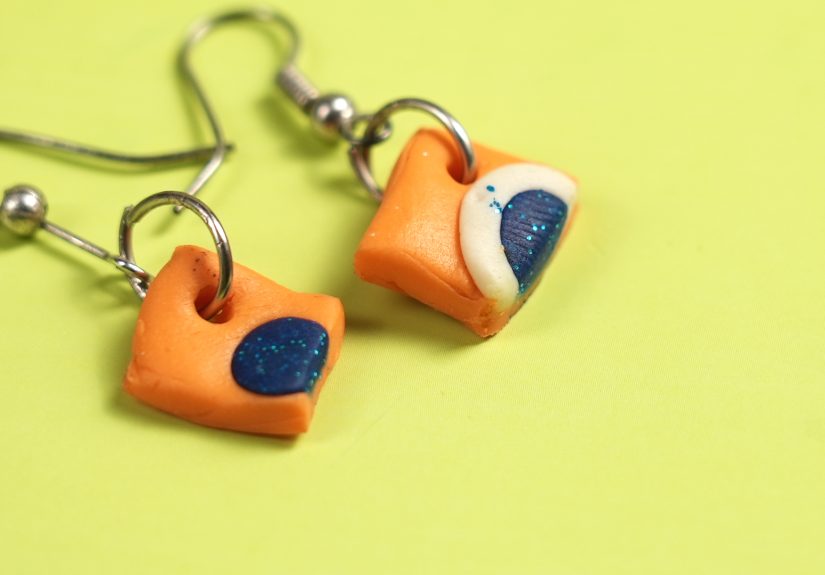
Polymer clay earrings are the rare craft project that checks every box: cheap-ish to start, wildly customizable,
and oddly therapeutic (until you drop lint onto fresh claythen it becomes a character-building exercise).
If you’re new, you don’t need a studio, a kiln, or a mysterious “clay aura.” You need a few basic tools, a reliable bake,
and some beginner-friendly design formulas you can repeat without reinventing the wheel every time.
This guide walks you through the full processfrom choosing clay and prepping a clean workspace to baking, finishing,
and assembling earrings that don’t snap the first time you sneeze. You’ll also get simple design ideas (marble, terrazzo,
arches, textures, faux stone) that look “boutique” but are very much “I made this on my kitchen table.”
What You’re Actually Making (and Why Polymer Clay Works)
Polymer clay is a PVC-based modeling material that cures (hardens) in a regular oven at relatively low temperatures.
Unlike air-dry clay, it doesn’t shrink much and stays workable until you bake it. That’s why it’s so popular for
lightweight, modern statement earrings: you can make thin pieces, cure them, and assemble them like jewelry components.
Your goal as a beginner is simple: create consistent shapes, cure them thoroughly, and attach findings in a way that
survives real life (hair, scarves, hugs, gravity, and the occasional dramatic head turn).
Supplies Checklist (Beginner Edition)
You can absolutely start with the basics. Add “nice-to-haves” later, once you confirm you actually enjoy this hobby
and not just the idea of it.
Polymer clay essentials
- Polymer clay (pick 2–4 colors to start; a neutral + one bold + white is a great trio)
- Work surface (ceramic tile, glass, or a smooth acrylic sheet)
- Roller (acrylic roller or brayer; in a pinch, a smooth jar works)
- Blade (tissue blade or craft blade for clean edges)
- Cutters (metal cutters or cookie cutters; geometric sets make life easy)
Baking setup
- Oven or toaster oven (dedicated toaster ovens can be convenient; your home oven can work too)
- Oven thermometer (this is the unglamorous hero of non-burnt clay)
- Parchment paper or cardstock for baking
- Foil “tent” or an upside-down foil pan to prevent browning
Assembly + finishing
- Pin vise or small drill (for holes) and/or needle tool (for marking)
- Jump rings (often 6–8mm; thickness matterstoo thin and they deform, too thick and they fight you)
- Ear wires, hoops, or stud posts
- Two pairs of pliers (chain-nose + flat-nose is a common combo)
- Sandpaper (wet/dry: 400, 600, 800, 1000/1200 grit)
- Optional: glaze/varnish (made for polymer clay), buffing cloth, or resin topcoat
Beginner Tips That Save You Hours (and Tears)
1) Condition the clay like you mean it
Conditioning is just kneading and rolling until the clay is pliable and uniform. It reduces cracking and makes the clay
easier to roll into smooth sheets. If your clay feels stiff, slice it into smaller pieces before conditioning instead of
trying to wrestle the whole brick like it owes you money.
2) Keep your workspace ridiculously clean
Dust and lint are attracted to fresh clay like it’s a magnet. Wipe your surface, wash your hands, and avoid fuzzy sweaters.
If you’re working with white clay, accept now that you are basically doing forensic science.
3) Use consistent thickness
Many beginner breaks happen because pieces are too thin or uneven. Aim for a “sturdy-but-light” thickness:
often around 2–3mm for dangles and 3–4mm for larger focal pieces. If your sheet has thick and thin zones,
it may bake unevenly and warp.
4) Bake accurately (temperature matters more than vibes)
Always follow the clay brand’s package instructions for temperature and time, and verify your oven temperature
with a separate thermometer. Ovens cycle, and “275°F” on the dial can mean “surprise, it’s 310°F now.”
A foil tent or covered baking method helps prevent scorching and shiny spots.
5) Round up a “test bake” habit
If you’re trying a new thickness, a new color, or a new oven/toaster oven, bake a small test piece first. You’ll learn
how your setup behaves without sacrificing your best shapes to the Oven Gods.
Step-by-Step: How to Make Polymer Clay Earrings
Step 1: Choose a simple design plan
Beginners do best with designs that are easy to repeat. Pick one:
two-piece dangle (top + bottom), single-shape studs, or hoops with charms.
Start smallliterally. Tiny designs teach clean cutting, hole placement, and assembly without needing a full finishing marathon.
Step 2: Condition and roll your clay
Condition your clay until it’s smooth and flexible. Roll it into a flat sheet on your work surface.
If you’re using guides, place them on both sides of your clay and roll until your roller hits the guides evenly.
That’s how you get consistent thickness without eyeballing.
Step 3: Add color effects (optional, but fun)
If you’re going for a solid color, skip ahead. If you want a pattern, try a beginner-friendly technique like
marble or terrazzo (instructions below). Keep patterns subtle at first: one “hero” effect plus a solid backing color
often looks more polished than five competing textures shouting at once.
Step 4: Cut your shapes cleanly
- Press cutters straight down (no twisting) for crisp edges.
- If clay sticks, dip the cutter edge lightly in cornstarch or use a thin plastic wrap barrier.
- Lift shapes with a blade rather than your fingers to avoid fingerprints and distortion.
Step 5: Make holes (or plan for posts)
For dangles, place holes slightly below the top edge so they don’t tear. For studs, decide whether you’ll embed posts
(a strong method) or glue them after baking (faster, but can fail if done poorly).
You can poke holes before baking using a needle tool or drill after baking for cleaner results. If you poke before baking,
poke straight down and keep hole placement consistent across pairs.
Step 6: Bake the clay
Preheat your oven fully. Place shapes on parchment or cardstock on a tile or baking sheet. Cover with a foil tent
or place an upside-down pan over the pieces. Bake at the temperature and time specified by your clay brand,
typically based on thickness (often stated per 1/4 inch).
Let pieces cool completely before handling. Warm clay can feel flexible and fragile; cooled clay shows its true strength.
Step 7: Finish the surfaces (sanding, buffing, sealing)
If you love a matte, modern look, you might only need light sanding and buffing. If you want gloss, use a polymer-clay-safe
glaze or a resin topcoat (with cautionresin adds shine but also adds time and potential sticky mishaps).
- Wet-sand from 400 → 600 → 800 → 1000/1200 grit.
- Buff with a soft cloth for a satin sheen.
- Seal only if needed (some clays don’t require sealing for durability; seal for effect, not fear).
Step 8: Assemble the earrings
Use jump rings to connect components. The key skill: open jump rings by twisting sideways (like opening a door),
not pulling ends apart. That preserves the circle and helps them close flush.
Attach the final component to ear wires, hoops, or posts. Double-check symmetry: same orientation, same order of pieces,
same direction of textures. (It’s amazing how often “left earring” and “right earring” become “two earrings from different timelines.”)
Beginner-Friendly Polymer Clay Earring Designs
These designs are popular because they look complex but use simple building blocks. Start with one or two and repeat them
until your hands learn the motions. Repetition is how you get “clean” results fast.
1) The Classic Arch
Cut a large arch (bottom piece) and a small circle or half-circle (top piece). Punch or drill holes. Assemble with a jump ring.
This design is flattering, easy to repeat, and looks great in solid colors.
2) Easy Marble
- Pick two colors (e.g., white + gray, blush + cream, navy + pearl).
- Roll each color into a snake, twist them together gently, and fold once or twice.
- Roll into a sheet. Stop before the colors fully blendmarble needs contrast.
3) Terrazzo Confetti
- Create tiny “chips” by chopping thin sheets of accent colors into irregular bits.
- Scatter chips onto a base sheet (usually white, cream, or neutral).
- Roll lightly to embed chips without smearing them into streaks.
4) Faux Granite / Speckle
Similar to terrazzo but with micro-specks: shave tiny bits of black or dark clay and knead them minimally into a light base.
Roll into a sheet. It reads like stone and hides minor fingerprints (a gift to beginners).
5) Textured Linen (the “I own a minimalist wardrobe” look)
Press a piece of fabric, canvas, or textured mat lightly onto the clay sheet. Peel away carefully.
Keep the texture subtle. Pair it with a matte finish for a clean, modern style.
6) Faux Stone Slice
Use translucent clay mixed with small amounts of color to create depth. Add a thin vein of white, gold paint after baking,
or keep it natural and sandy. Stone effects look high-end with very little extra effort.
7) Color-Blocked Slab
Build a slab by joining two or three colored sheets. Roll gently to seal the seams. Then cut shapes from the slab.
Instant “designer” vibe, minimal technique.
8) Simple Layered Dangles
Cut two shapes (e.g., circle + teardrop), stack them (slightly offset), and bake together as one piece.
Layering creates dimension without extra assembly steps.
9) Cane-Inspired Stripes (Beginner Version)
Skip advanced canes. Instead, stack thin sheets of color, compress gently, and slice. You get a clean stripe pattern
without the engineering degree.
10) Seasonal Minis (fast wins)
Tiny hearts, stars, flowers, leavessmall shapes teach precision and bake quickly. They’re also great gift add-ons and
excellent “I need a break from sanding” projects.
Studs vs. Dangles: How to Attach Findings the Smart Way
Dangles
Dangles are beginner-friendly because you can connect pieces with jump rings and ear wires. Focus on:
consistent hole placement, clean openings, and properly closed rings. If a ring gap remains, it can snag hair or
work itself open over time.
Studs
Stud posts are trickier because the attachment point takes all the stress. Two common approaches:
- Embed method: press the post pad into the back of the raw clay, then add a thin layer of clay over the pad edge
to “lock” it in place before baking. - Glue-after method: bake first, lightly roughen the surface, then glue with a strong cyanoacrylate (super glue gel)
and allow full cure time.
If you choose glue-after, avoid “soft” adhesives that stay rubbery or fail to bond long-term. A good gel super glue often performs better
when surfaces are clean and slightly scuffed.
Troubleshooting: Fix Common Beginner Problems
My earrings snapped. What happened?
- Underbaking: cured clay is stronger. Verify temp with an oven thermometer and bake long enough for the thickness.
- Too thin: ultra-thin pieces can be delicate. Increase thickness slightly or choose stronger clay lines.
- Weak stress points: holes too close to the edge can tear. Move holes lower or reinforce with thicker tops.
My pieces browned or scorched.
- Use a foil tent or cover to shield from direct heat spikes.
- Confirm your oven isn’t running hot.
- Move the rack to the center and avoid being too close to heating elements.
Fingerprints everywhere.
- Use a blade or scraper to lift pieces.
- Finish with light sanding after baking.
- Try speckle or terrazzo patternsthey forgive beginners.
Warping or curved pieces.
- Roll clay evenly and avoid thin “tails.”
- Bake on a flat tile and consider covering pieces (more even heat).
- Let pieces cool on the baking surface before moving them.
Care Tips: Keep Your Polymer Clay Earrings Looking New
- Store in a dry jewelry box or pouch to prevent scratches.
- Avoid perfumes and hairspray directly on the clayspray first, then put earrings on.
- Clean gently with a soft cloth; avoid harsh solvents.
- Check hardware occasionally and re-close jump rings if needed.
Beginner Experience Notes (The “What I Wish I Knew” Section)
Let’s talk about the unfiltered beginner experiencebecause your first batch of polymer clay earrings probably won’t look
like the perfectly lit Instagram photos where every arch is symmetrical and every surface is magically lint-free. Mine didn’t.
My first “minimalist” pair looked like two different shapes that met at a party and pretended they were twins.
The biggest surprise was how much cleanliness matters. I assumed I could wipe a table, roll clay, and live happily ever after.
Nope. Polymer clay is basically a lint magnet with a hobby license. The moment you roll out a light color, every microscopic speck
in your home decides it wants to be part of the design. I learned to keep baby wipes nearby, clean my hands between colors, and
embrace speckled styles when I didn’t feel like chasing invisible dust bunnies.
Second surprise: oven temperature is everything. Early on, I followed the package directions and still ended up with pieces that
felt a little brittle. The fix wasn’t “bake hotter” (please don’t do that), it was “bake accurately.” An oven thermometer made a bigger difference
than any fancy tool I bought later. Once I stopped trusting the dial and started trusting the thermometer, my pieces cured more consistently.
I also started using a simple foil tent, which helped prevent darkening on light colors. It felt silly at firstlike my earrings were camping in the oven
but the results were immediately better.
Third surprise: assembly is a whole separate craft. I thought making the clay shapes was the hard part. Then I met jump rings.
If you open them the wrong way, you’ll distort the circle and spend ten minutes trying to close a gap that keeps laughing at you.
Once I learned the “twist open sideways, twist closed sideways” method, everything clicked. Two pairs of pliers also helpedone to hold,
one to twistso I wasn’t doing the world’s least effective one-handed juggling act.
Studs were my personal boss battle. I tried gluing posts on after baking because it felt simpler. Sometimes it worked. Sometimes it didn’t.
The “didn’t” usually happened at the worst possible momentlike when I’d already wrapped them as a gift and then discovered one post had popped off,
leaving me with a sad little clay medallion and a metal post feeling very innocent. Embedding posts (or using a method that mechanically locks them in)
gave me more confidence for “wearable” durability. If you do glue, roughening the surfaces first and using a strong gel super glue made a noticeable difference.
The most helpful mindset shift was this: your first few sessions are about process, not masterpieces. Pick one simple shape set
(like arches or circles), make three pairs, and treat them as practice. Try one surface finish. Try one bake setup. Take notes on what worked.
You’ll get faster and cleaner by repetition, not by adding complexity. By the time you do your “fancy” pair, you’ll already know how your clay behaves,
how your oven runs, and how your hardware likes to cooperate (or rebel).
And honestly? The “beginner imperfections” can be charming. Handmade earrings have personality. If your terrazzo chips aren’t perfectly uniform,
congratulationsyou made real terrazzo. If your marble swirls look a little chaotic, call it “stormy agate” and move on with your day like the artist you are.
Conclusion
Polymer clay earrings are one of the best beginner jewelry crafts because you can start simple, improve quickly, and create designs that genuinely look
boutique-level with basic tools. Nail the fundamentalsconditioning, consistent thickness, accurate baking, and sturdy findingsand you’ll be able to
experiment with endless colors and styles without reinventing the entire process each time.
Start with one design formula, repeat it three times, and let the skill build naturally. Your future self (and your earring posts) will thank you.





 Close
Close