
Table of Contents >> Show >> Hide
- Why “This or That” Works So Well for Couples
- How to Play “This or That” (Without Turning It Into a Debate Club)
- 100 This or That Questions for Couples
- How to Turn Quick Answers Into Better Conversations
- Ideas for Using These Questions on Date Night (and Beyond)
- What to Do If You Disagree (Spoiler: It’s Normal)
- Experiences Couples Commonly Have When Playing “This or That”
- Conclusion
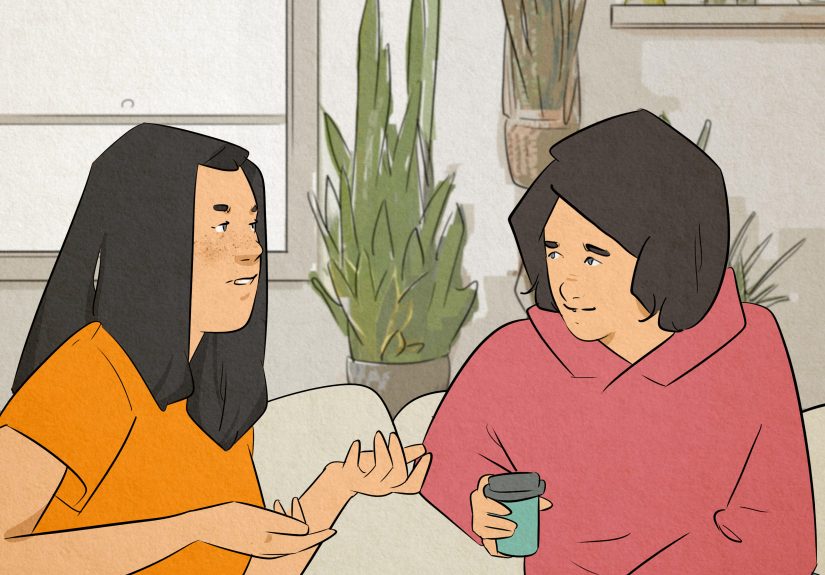
If you’ve ever looked at your partner and thought, “I love you, but I have no idea what you’d order at a taco truck in an alternate universe”congrats. You’re exactly the kind of couple who needs a good round of this or that questions for couples.
“This or That” is the low-pressure, high-laughs question game where you pick between two optionsno essays required, no PowerPoint slides allowed. It’s perfect for date night, road trips, lazy Sundays, or those moments when you’re together but your brains are both buffering.
Below you’ll find 100 fun this or that questions for couples, organized by vibe, plus simple rules, play variations, and practical tips to turn quick answers into surprisingly great conversationswithout turning it into a courtroom cross-examination.
Why “This or That” Works So Well for Couples
Couples don’t usually struggle to talk. They struggle to talk about something new. This or That helps because it’s structured, playful, and ridiculously easy to start: two choices, one answer. The magic is what happens nextwhen you ask “Why?” and discover a tiny world behind a seemingly small preference.
It keeps things light while still building closeness
Relationship experts often point out that genuine curiosity supports connection over timebecause questions invite understanding instead of assumptions. A simple “beach or mountains?” can become a conversation about comfort zones, memories, and what “rest” actually feels like for each of you.
It’s a shortcut to “tell me more”
Lists like these are popular for a reason: interpersonal curiosity (a fancy way of saying “I’m still interested in who you are”) helps keep relationships from falling into autopilot. When you pick an option and explain it, you’re sharing values, stories, and little quirkswithout the pressure of “Deep Talk O’Clock.”
It can reduce awkward silences
Conversation prompts work best when they’re easy to answer and easy to build on. That’s why many relationship and communication guides recommend mixing light questions with deeper ones, and creating a judgment-free zone before you start.
How to Play “This or That” (Without Turning It Into a Debate Club)
The basic rules are simple: one person asks a question with two options, the other person chooses, and (optional but recommended) shares a quick reason.
Quick-start rules
- Take turns asking questions. Keep it moving.
- Choose one option (no “both,” unless you’re using the house rule below).
- Give a short why (10–20 seconds is plenty).
- Ask one follow-up if you want: “What made you pick that?”
- No judgment. The goal is curiosity, not conversion.
House rules that make it extra fun
- Rapid-fire round: 20 questions, no explanations. Then revisit your top 3 “Wait, WHAT?” answers.
- Story mode: You must connect your choice to a memory (“I picked mountains because…”).
- Switch-it-up: After answering, you ask the next question. (Keeps it balanced.)
- “Both” token: Each person gets one “both” per game. Use it wisely, like a relationship coupon.
- No phones, no points: This is not the Olympics of being correct.
100 This or That Questions for Couples
Tip: Don’t rush the whole list in one sitting unless you’re on a 12-hour road trip and the snacks are legendary. Pick a category that matches your mood and start there.
Food & Drink (1–15)
- Coffee date or brunch date?
- Pancakes or waffles?
- Tacos or pizza?
- Spicy food or mild and cozy?
- Sweet snack or salty snack?
- Home-cooked dinner or takeout night?
- Ice cream cone or milkshake?
- Sushi or burgers?
- Breakfast for dinner or dinner for breakfast?
- Picnic outside or dinner indoors?
- Cook together or one person cooks, one person vibes?
- Fancy restaurant or hole-in-the-wall favorite?
- Tea or soda?
- Chocolate dessert or fruity dessert?
- Try a new recipe or make the “usual” perfectly?
At-Home Life (16–30)
- Clean as you go or deep clean later?
- Minimalist space or cozy clutter?
- Background music or total silence?
- Early bedtime or late-night scrolling (respectfully)?
- Plan the week on Sunday or wing it and hope?
- Do chores together or split and conquer?
- Air conditioning colder or warmer?
- Candles or essential oils?
- Big grocery run or small trips more often?
- Cook nightly or meal prep?
- Movie on the couch or show in bed?
- Board games or video games?
- Decorate for every season or keep it simple?
- Morning routine together or separate “don’t talk to me yet” time?
- Host friends at home or meet out somewhere?
Entertainment & Pop Culture (31–45)
- Comedy movie or thriller?
- Concert night or movie theater?
- True crime podcast or feel-good playlist?
- Reality TV or documentary?
- Read the book or watch the movie?
- Big party or small hangout?
- Sports game live or watching at home?
- Karaoke or dance party in the living room?
- Museum date or amusement park date?
- Classic movies or new releases?
- Gaming tournament or trivia night?
- Long series binge or one perfect movie?
- Texting memes or sending voice notes?
- Photos of everything or live in the moment?
- Stay in with snacks or go out for dessert?
Travel & Adventure (46–60)
- Beach vacation or mountain getaway?
- Road trip or flying somewhere new?
- Hotel stay or cozy cabin?
- Explore a new city or revisit a favorite place?
- Busy itinerary or “see where the day goes”?
- Outdoor adventure or indoor comfort?
- Theme park or nature trail?
- Sunrise hike or sunset stroll?
- New restaurant hunt or familiar favorites?
- Travel light or pack “just in case”?
- Window seat or aisle seat?
- Plan months ahead or spontaneous weekend trip?
- Camping or glamping?
- City lights or small-town charm?
- Pictures everywhere or limited photos?
Money & Future Goals (61–75)
- Save for the future or spend on experiences now?
- Big purchase planned or small treats often?
- Keep finances totally separate or mostly shared?
- Budget spreadsheet or “I know it in my soul”?
- Donate to causes or invest in personal goals?
- Dream big and risk it or play it safe and steady?
- Prioritize travel or prioritize home upgrades?
- Work to live or live to work (but like, not too much)?
- One big goal at a time or multiple goals at once?
- Early retirement dream or career passion forever?
- Spend on quality items or save with bargains?
- Experience gifts or physical gifts?
- Plan for the next year or plan for the next five?
- Routine and stability or change and adventure?
- Big celebration milestones or quiet meaningful moments?
Personality, Preferences & Relationship Style (76–90)
- Introvert recharge or extrovert recharge?
- Talk it out immediately or take a break first?
- Affection through words or affection through actions?
- Public displays of affection or keep it private?
- Surprises or knowing the plan?
- Morning person or night owl?
- Big friend group or a tight circle?
- Try new hobbies together or keep separate hobbies?
- Handwritten notes or sweet texts?
- Be early or arrive “right on time”?
- Routine weekdays or unpredictable days?
- Fix the problem or just listen first?
- Take the lead or split decisions evenly?
- Direct feedback or gentle hints?
- Talk about feelings often or show feelings through actions?
Silly & Random (91–100)
- Superpower: invisibility or flying?
- Live in a treehouse or live on a boat?
- Always sing what you say or always dance everywhere?
- Pineapple on pizza or absolutely not?
- Time travel to the past or the future?
- Only eat one cuisine forever: Italian or Mexican?
- Pets: dogs or cats?
- Be famous for comedy or famous for talent?
- Have a personal chef or a personal driver?
- Win a free vacation or win a free year of groceries?
How to Turn Quick Answers Into Better Conversations
A “This or That” question is the spark. The conversation is the campfire. If you want this game to be more than a speed-run of preferences, try these simple follow-upsborrowed from common relationship communication advice that emphasizes curiosity and nonjudgment.
Easy follow-up questions that don’t feel like an interview
- “What made you pick that?” (Classic, undefeated.)
- “When did you first start liking that?” (Hello, stories.)
- “Is that a ‘today’ answer or an ‘always’ answer?” (People change!)
- “What’s the best version of that choice?” (Best beach? Best pizza?)
- “What’s the worst version?” (Worst road trip snack can be hilarious.)
Keep it kind: the one rule that saves the mood
If an answer surprises you, treat it like a fun discoverynot a flaw to correct. Many couples’ question guides recommend setting a judgment-free tone so honesty feels safe.
Ideas for Using These Questions on Date Night (and Beyond)
Date night mini-games
- The “Top 5” round: Each of you picks your five favorite questions and asks them.
- The “Same or Different” round: Predict your partner’s answer, then reveal. (Laugh lovingly.)
- The “Build a perfect day” round: Use answers to plan a date: food + activity + vibe.
Road trip mode
One question per exit. Or one per song. If you miss the exit because you’re debating waffles vs. pancakes, that’s on youbut it’s also kind of romantic in a very “we are now in another county” way.
Long-distance mode
Send three questions each morning. At night, pick one answer to explain more deeply. It’s a simple way to stay emotionally present even when your schedules don’t line up.
What to Do If You Disagree (Spoiler: It’s Normal)
Different answers don’t mean incompatibility; they often mean you’re two different humans, which is the entire point of dating someone who isn’t your mirror. If a question hits something sensitive, skip it. If a disagreement starts to heat up, try:
- “Tell me what you value about that choice.”
- “What would make the other option better for you?”
- “Is this a preference or a deal-breaker?” (Most of the time it’s just a preference.)
Curiosity tends to calm things down, because it moves you from “arguing” to “learning.”
Experiences Couples Commonly Have When Playing “This or That”
Even though this game looks simple, couples often walk away saying, “Wait, how did that get so wholesome?” Here are some of the most common experiences people report when they turn this or that questions for couples into a real conversationplus ways to make the moment even better.
1) The “I thought I knew you” surprise
You learn something tiny and weirdly delightfullike your partner would choose a quiet museum date over a concert, or they’d rather plan a trip months in advance instead of going full spontaneous. It’s not life-changing information, but it changes how you see them in the best way: as someone with a rich inner world, not just “the person who always steals fries.”
Try this: When you get a surprising answer, ask for the story behind it. “When did you start liking that?” often unlocks childhood memories, favorite places, or the reason they feel safe doing certain things.
2) The “we’re actually a team” moment
Some answers naturally turn into planning. You pick “cabin getaway,” they pick “mountain hike,” and suddenly you’re building an imaginary weekend that sounds so good you might actually book it. Couples often notice that the game creates easy cooperationbecause the choices are simple and the tone is playful.
Try this: Pick three travel questions and treat your combined answers like a blueprint for a future date. You’ll get the fun of dreaming without the stress of logistics.
3) The giggle spiral
All it takes is one truly chaotic prompt“always sing what you say or always dance everywhere?”and now you’re both doing dramatic demonstrations like you’re auditioning for a musical no one asked for. Humor is a sneaky relationship skill: it lowers defensiveness, softens awkwardness, and makes it easier to talk about more meaningful topics later.
Try this: Start with a silly category first, then slide into personality questions after you’re already laughing. A warm mood makes honesty easier.
4) The “we disagree, and that’s fine” realization
Sometimes you pick opposite answers and feel that tiny jolt of “Oh.” Maybe one of you is a heavy planner and the other is a last-minute magician. Or one of you craves quiet time after social events while the other wants to debrief every detail immediately. The best couples don’t eliminate differencesthey learn how to work with them.
Try this: When you disagree, ask, “What need does that choice meet for you?” A preference is usually attached to a need: comfort, freedom, connection, rest, novelty, or feeling understood.
5) The unexpectedly deep follow-up
It happens all the time: a light question becomes a meaningful conversation. “Experience gifts or physical gifts?” turns into “What makes you feel appreciated?” “Talk it out immediately or take a break first?” turns into “How do you feel safe during conflict?” That’s why question-based conversation tools are so popular in relationship spacesquestions can gently open doors without forcing them.
Try this: If a question starts to go deeper, pause the list. Let that conversation breathe. You can always come back to Question #47 tomorrow.
6) The “notes for later” benefit
Many couples end up collecting “relationship cheat codes” from their partner’s answerslike what kind of dates they prefer, how they recharge, and what makes them feel cared for. It’s not about manipulating the relationship; it’s about being a better teammate. As many couple-question guides emphasize, a supportive, nonjudgmental tone is what keeps these conversations constructive.
Try this: After playing, each of you share one takeaway: “Something I learned,” and “Something I’d like to do together.” Keep it short. Keep it sweet. Keep it doable.
Conclusion
At the end of the day, this or that questions for couples aren’t just about choosing tacos over pizza (though, for the record, tacos are making a strong case). They’re about choosing curiosity over autopilot. Pick a handful of questions, keep the tone playful, and let the answers lead you into stories, laughter, and the kind of connection that doesn’t require a fancy setupjust two people paying attention.






 Close
Close