
Table of Contents >> Show >> Hide
- What is deep tissue massage, exactly?
- Benefits of deep tissue massage
- Risks, side effects, and when to skip it
- What to expect from a deep tissue massage session
- How often should you get deep tissue massage?
- Choosing the right massage therapist
- Real-world deep tissue massage experiences: what it actually feels like
- Bottom line
If you’ve ever walked out of a massage feeling like melted butter and
In this guide, we’ll break down what deep tissue massage actually is, the science-backed
benefits, the possible risks and side effects, and exactly what to expect before, during,
and after a session. We’ll also look at how often you should go, who should skip it, and
what real-world experiences are like so you can decide if this type of massage belongs in
your wellness routine.
What is deep tissue massage, exactly?
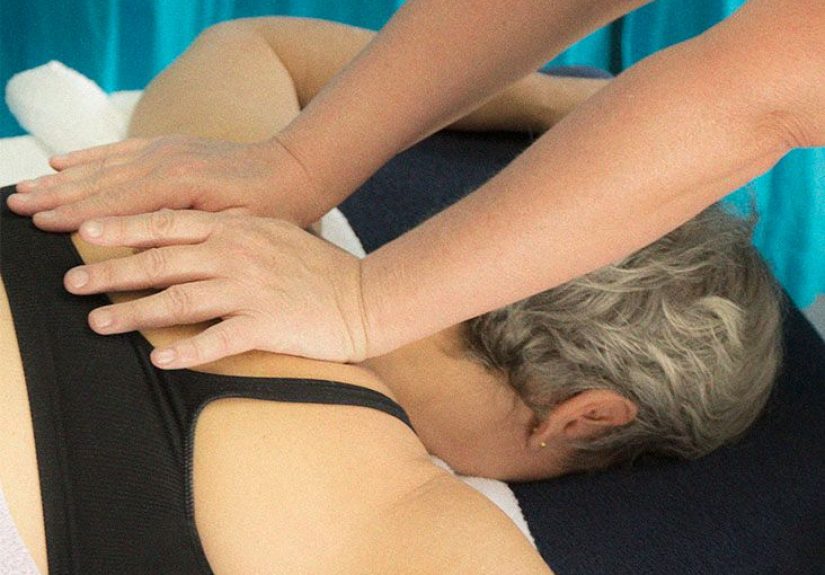
Deep tissue massage is a therapeutic style of massage that uses slower, more forceful
strokes and sustained pressure to target the deeper layers of muscles and fascia
(connective tissue). It’s often recommended for chronic muscle tightness, sports injuries,
and pain related to posture or overuse rather than just for general relaxation.
Unlike Swedish massage, which typically uses long, gliding strokes with lighter pressure,
deep tissue work tends to feel more intense and focused. Therapists may use their thumbs,
knuckles, forearms, and even elbows to sink into problem areas. The goal is to break up
adhesions (those ropey, knotted spots you feel) and improve blood flow so the tissues can
move and function more normally.
How it works on muscles and fascia
When muscles are overused, injured, or stressed, they can tighten and develop adhesions
areas where muscle fibers and fascia stick together. These adhesions can limit movement,
alter posture, and trigger pain signals. Deep tissue techniques apply pressure and
friction along and across muscle fibers, which may help:
- Disrupt adhesions and scar tissue
- Increase local circulation and oxygen delivery
- Reduce muscle tone and tension
- Modulate pain signals from nerves in the area
Clinical research suggests that targeted deep tissue work can reduce musculoskeletal pain,
improve range of motion, and support recovery from overuse injuries and chronic low back
pain.
Benefits of deep tissue massage
Many people try deep tissue massage because “everything hurts” and stretching isn’t
cutting it. The good news: when done properly, it can offer both physical and psychological
benefits.
Pain relief and injury recovery
Deep tissue massage is commonly used for chronic pain conditions like low back pain,
neck and shoulder tension, and sports injuries. Studies have found that deep tissue
massage can significantly reduce pain intensity and improve function in people with
chronic low back pain, with effects comparable to nonsteroidal anti-inflammatory drugs
(NSAIDs) in some research.
By breaking down adhesions and encouraging better blood flow, deep tissue massage may:
- Ease stiffness in overused muscles (for example, runners’ calves or desk workers’ necks)
- Support healing of strains and sprains (alongside proper medical care)
- Improve mobility after surgery or injury by addressing scar tissue
It’s also used as part of rehabilitation programs for conditions like fibromyalgia,
chronic back pain, and arthritis to help reduce pain and improve quality of life.
Reduced muscle tension and better mobility
That “I didn’t realize I was this tight” moment during a deep tissue session is very
real. This modality is especially helpful when you have:
- Persistent knots in the upper back, shoulders, or hips
- Tight hip flexors or hamstrings from sitting or training
- Limited range of motion in the neck, shoulders, or lower back
By decreasing muscle stiffness and improving joint mobility, deep tissue massage can
make everyday movementslike bending, lifting, or turning your head while drivingfeel
smoother and more comfortable. General massage therapy has also been shown to decrease
joint inflammation and improve flexibility.
Stress relief and mental health perks
Yes, deep tissue massage can hurt a little, but it’s not all grit and no chill. Massage
therapy in general has been shown to reduce stress hormones like cortisol and increase
mood-boosting neurotransmitters like serotonin. Many people report feeling calmer, less
anxious, and more grounded after a session.
Even though deep tissue is more intense than a standard relaxation massage, the rhythmic
pressure, quiet environment, and focused breathing can still engage your body’s
relaxation response. For some people, that combination of pain relief and nervous system
“reset” is exactly what they’re looking for.
Other possible benefits
Depending on your health status and goals, deep tissue massage may also help:
- Lower blood pressure and heart rate temporarily
- Promote better sleep
- Support sports performance and recovery by reducing post-workout soreness
- Strengthen overall sense of well-being
WebMD notes that deep tissue massage can reduce stress, ease pain, and may contribute to
lower blood pressure when used regularly, while other sources highlight improvements in
recovery and inflammation for active adults.
Risks, side effects, and when to skip it
Deep tissue massage is generally safe for healthy adults when performed by a licensed,
trained professional. But because it uses significant pressure, it’s not risk-freeand
it’s not the right choice for everyone.
Common, short-term side effects
After a deep tissue session, it’s normal to feel:
- Mild to moderate soreness for 24–48 hours
- Temporary fatigue or a “worked out” feeling
- Occasional light bruising in very tight areas
Think of it like an intense workout for your muscles: they’ve been challenged, so they
may complain a bit before they feel better. Gentle stretching, staying hydrated, and
using a warm shower or heating pad can help ease that post-massage soreness.
However, pain that’s sharp, severe, or lasts more than a couple of days is a sign that
the pressure may have been too intenseor that something else is going on. In that case,
reach out to your massage therapist and, if needed, your healthcare provider.
Who should be cautious or avoid deep tissue massage?
Many major medical systems recommend checking with your healthcare provider before
getting deep tissue massage if you have certain conditions. People who may need to avoid
or modify this type of massage include those with:
- Blood clotting disorders or a history of deep vein thrombosis
- Severe osteoporosis or fragile bones
- Recent surgery or acute injury that hasn’t healed
- Uncontrolled high blood pressure or heart disease
- Active infections, skin infections, or open wounds
- Certain cancers or treatment-related issues, unless cleared by your care team
- Nerve conditions with altered sensation (you might not feel excessive pressure properly)
Pregnant people are often better served by prenatal or pregnancy massage rather than
deep tissue work, especially over the lower back and abdomen, unless a provider
specifically approves it.
How to reduce your risk
Communication is everything with deep tissue massage. To stay safe and comfortable:
-
Share your health history honestly. Tell your therapist about medical
conditions, medications (especially blood thinners), recent injuries, or surgeries. -
Use a pain scale. Many therapists recommend staying at a “good hurt”
level around 6–7 out of 10, not a “white-knuckle” 9–10. You should be able to breathe
and relax through the pressure. -
Speak up immediately. If the pressure feels sharp, electric, or
intolerable, ask your therapist to ease up or change technique. -
Choose a licensed professional. In the U.S., look for an LMT (licensed
massage therapist) or similarly credentialed provider who is trained in deep tissue
techniques and follows state regulations.
Some wellness writers warn that overly aggressive deep tissue workespecially by
under-trained practitionerscan worsen existing injuries or cause excessive bruising, so
it’s worth being picky about who you see.
What to expect from a deep tissue massage session
Before your appointment
Your session usually starts with a short consultation. Your therapist will ask about:
- Where you feel pain, tightness, or limited movement
- Your general health, medications, and recent injuries or surgeries
- What you hope to get out of the session (less pain, better mobility, stress relief, etc.)
This is the time to mention anything important: past reactions to massage, chronic
conditions, or areas you absolutely don’t want touched (for example, the feet or glutes).
During the massage
Here’s a typical flow, based on descriptions from major health sites and massage
organizations:
- You’ll undress to your comfort level and lie on the massage table under a sheet or towel.
- The therapist will warm up your muscles with lighter, more general strokes.
- Once the tissues are warm, they’ll apply slower, deeper pressure to specific areas.
- They may work along the length of the muscle (stripping) or use cross-fiber friction to target knots.
You might feel:
- A strong, stretching sensation in tight muscles
- Localized discomfort as knots are addressed
- Occasional referred sensations (for example, pressure in the hip felt in the leg)
What you shouldn’t feel is sharp, stabbing, or burning pain, or numbness and
tingling that travels down a limbthose are all reasons to ask your therapist to stop and
reassess.
After the massage
Post-session, your therapist may recommend:
- Drinking water (mostly to support general recovery and hydration)
- Gentle movement or stretching instead of collapsing on the couch for 8 hours
- A warm shower or heat pack later in the day for lingering tight spots
Some people also enjoy an Epsom salt bath to soothe sore muscles, although the scientific
evidence for “detoxing” is limited; consider it more of a relaxing ritual than a medical
treatment.
Over the next day or two, you should notice either:
- Less pain and stiffness and easier movement, or
- Temporary soreness that gradually fades and is replaced by improved comfort
If your pain is significantly worse or you notice unusual bruising, swelling, or
numbness, contact your healthcare provider.
How often should you get deep tissue massage?
There’s no one-size-fits-all schedule, but common patterns include:
-
Chronic pain or long-term tightness: Weekly or biweekly sessions for a
few weeks, then tapering to every 3–4 weeks for maintenance. -
Sports performance or heavy training: Every 2–4 weeks, with lighter
sessions closer to big events and deeper work off-season or during lower-intensity
training blocks. -
General wellness and stress relief: Once a month or as needed when your
body starts complaining.
Your therapist should adjust the frequency based on how you respond. If you’re still sore
by the time your next session rolls around, the pressure or timing may need to be
modified.
Choosing the right massage therapist
A great deep tissue massage is as much about skill and communication as strength. When
choosing a therapist:
-
Check credentials. In most U.S. states, massage therapists must be
licensed or certified. Look for LMT (licensed massage therapist) or similar credentials
and, ideally, additional training in medical or orthopedic massage. -
Ask about experience. Deep tissue techniques require practice and
anatomical knowledge. Ask how long they’ve been doing this work and whether they
commonly treat people with issues similar to yours. -
Pay attention to how they listen. A good therapist will ask questions,
respect your boundaries, and encourage feedback about pressure and comfort. -
Trust your gut. If you feel rushed, dismissed, or pressured to accept
more intensity than you want, it’s okay to find someone else.
Your deep tissue session should feel like a collaboration, not an endurance test.
Real-world deep tissue massage experiences: what it actually feels like
Reading about deep tissue massage is one thing; living through someone digging their
elbow into your rhomboids is another. Here’s what the experience is often like in real
life, based on common client stories and therapist reports.
The desk worker with “cement” shoulders
Imagine someone who spends 10 hours a day hunched over a laptop. Their shoulders are
permanently near their ears, and their upper back feels like a concrete slab. During a
deep tissue session, the therapist may focus on the neck, upper back, and chestareas
that get tight and short from poor posture.
At first, the pressure might feel intensealmost like the therapist has discovered every
bad email they’ve ever read and is physically pressing it out of their muscles. But as
the session goes on and the tissues soften, they often notice their shoulders dropping
away from their ears, easier neck rotation, and a surprising sense of lightness in the
chest.
The next day? A little sore, yesbut driving, working at the computer, and even sleeping
on their side feels easier. If they pair regular deep tissue work with posture changes
and movement breaks, those results tend to last longer.
The weekend athlete who always overdoes it
Now picture the runner who signs up for a half marathon after training “a little bit”
and ends up with tight calves, hamstrings, and hip flexors. During deep tissue massage,
the therapist may work systematically from the feet up the posterior chaincalves,
hamstrings, glutes, and lower back.
The pressure along the calves and IT band can feel intense, but the payoff often shows up
in improved stride, less post-run stiffness, and fewer “why do my knees hate me?” moments.
When deep tissue is combined with a solid warm-up, strength work, and good recovery
habits, it can be a powerful part of a sports routine.
Living with chronic pain: realistic expectations
For people with chronic conditions like fibromyalgia, arthritis, or long-standing back
pain, deep tissue massage isn’t a magical curebut it can be a meaningful tool in the
toolbox. Some clients report:
- Short-term relief that makes daily tasks and sleep easier
- A greater sense of control over their pain when massage is scheduled regularly
- Better results when massage is combined with physical therapy, gentle exercise, and medication as prescribed
That said, many with chronic pain need lighter pressure or a blended approach. For some,
an overly aggressive deep tissue session can trigger a flare rather than relief, which is
why clear communication and gradual progression are so important.
From the therapist’s perspective
Massage therapists often describe deep tissue work as “slow problem-solving with hands.”
They’re feeling for tissue texture changestight bands, trigger points, or areas that
resist movementand then using techniques to encourage those tissues to let go.
Good therapists will:
- Check in regularly (“How’s this pressure?” “Still okay here?”)
- Adjust their approach if they feel you guarding or tensing up
- Offer simple self-care suggestions you can do between sessions, like basic stretches or heat applications
In other words, you’re not just a passive recipient of pain; you’re an active participant
in your own care.
Tips for a better personal experience
If you decide to book a deep tissue massage, you can stack the deck in your favor with a
few simple strategies:
- Arrive a little early so you’re not stressed or rushed.
- Have a light snack beforehand instead of a huge meal.
- Decide in advance what your non-negotiables are (for example, “no neck cracking,” “no talking,” or “please explain what you’re doing”).
- Breathe deeply during tough spots instead of holding your breath.
- Schedule your first session on a day when you don’t need to be at 110% right afterward.
The more you treat deep tissue massage like part of a long-term wellness planrather than
a one-time fixthe more likely you are to see lasting benefits.
Bottom line
Deep tissue massage is a powerful tool for addressing chronic tension, pain, and mobility
issues when it’s performed thoughtfully and safely. It’s not right for everyone, and it
shouldn’t replace medical care, but for many people it can bridge the gap between “I can’t
move without wincing” and “Oh, that’s what normal feels like.”
If you’re curious, talk with your healthcare providerespecially if you have underlying
medical conditionsthen find a qualified therapist and start with an open, honest
conversation. With the right match and the right expectations, deep tissue massage can be
both a targeted treatment and a surprisingly satisfying way to take care of your body.






 Close
Close