
Table of Contents >> Show >> Hide
- Quick Basics: What “Marijuana” Actually Is
- How Marijuana Works in Your Body
- Immediate Effects: What You May Notice Within Hours
- Short-Term vs. Longer-Term Effects
- Organ-by-Organ: A Closer Look
- Why Marijuana Hits People Differently
- Medical vs. Recreational: What Cannabis Can (and Can’t) Do
- Red Flags: When Marijuana’s Effects Are Not “Normal”
- Conclusion: A Clear, Honest Take
- Experiences People Commonly Report (Real-Life Patterns, Not a Movie Montage)
Marijuana (also called cannabis or weed) has a reputation problem: some people treat it like a harmless houseplant, others treat it like it’s a villain in a
trench coat. The truth is less dramaticand more useful. Cannabis can change how your brain and body work in the moment, and for some people, long-term use
can shift health risks in ways that matter.
This article breaks down what marijuana does to your body from head to toe, why the effects can feel so different from person to person, and what the science
says (including where it’s still catching up). If you’re a teen or young adult, pay extra attention: your brain is still under construction, and cannabis can
interfere with that renovation project.
Quick Basics: What “Marijuana” Actually Is
Cannabis is a plant with hundreds of chemicals. The two you hear about most are:
- THC (tetrahydrocannabinol): the main intoxicating compound that produces the “high.”
- CBD (cannabidiol): not intoxicating, but it can affect the body in other ways and is often marketed for wellness.
Products vary a lot in strength (potency), and labels aren’t always as clear as people assume. That variety is one reason cannabis experiences can range from
“I feel relaxed” to “Why is my heart auditioning for a drumline?”
How Marijuana Works in Your Body
Your body has an endocannabinoid system, a network of receptors and chemical messengers involved in mood, memory, appetite, pain signaling,
movement, and stress response. THC and other cannabinoids interact with this systemespecially receptors in the brainchanging how neurons communicate.
In plain English: cannabis doesn’t “add” a new feeling so much as it tweaks your brain’s knobsattention, time perception, reward, coordinationsometimes in
ways you like and sometimes in ways you really don’t.
Immediate Effects: What You May Notice Within Hours
Brain and thinking
THC can affect attention, short-term memory, learning, reaction time, and coordination. This is why people may feel “spaced out,” forget what they were
saying mid-sentence, or misjudge time and distance.
Mood and perception
People commonly report relaxation, mild euphoria, and heightened sensory experiences. But cannabis can also trigger anxiety, panic, paranoia, or an uneasy
“something is off” feelingespecially with higher-THC products or in people who are sensitive to anxiety.
Movement and safety
Because cannabis can slow reaction time and reduce coordination, it increases impairment risk for driving and other activities that require quick decisions
(sports, biking, swimming, operating equipment). Even if someone “feels fine,” performance can still be measurably affected.
Heart rate and blood pressure
Cannabis can temporarily increase heart rate and may raise blood pressure right after use. For healthy people, that may feel like a brief “racing heart.”
For people with heart disease or risk factors, this matters more, and some studies associate cannabis use with higher odds of cardiovascular events (the
research is evolving, and not every study finds the same results).
Lungs and airways (especially when smoked)
Smoke is smoke. Smoked cannabis can irritate the lungs and airways and has been linked to symptoms like coughing, wheezing, and bronchitis-like irritation
with frequent use. (This is about the smoke and airway irritationnot a moral judgment on anyone’s weekend plans.)
Appetite, nausea, and the gut
Increased appetite (“the munchies”) is classic. Some people also get nausea or dizziness. With heavy, frequent use over time, a small subset of users can
develop cannabinoid hyperemesis syndromerecurrent bouts of severe nausea and vomiting that improve when cannabis use stops.
Eyes, mouth, and sleepiness
Red eyes and dry mouth are common. Sleepiness can happen, toothough cannabis can also disrupt sleep architecture, especially with regular use.
Short-Term vs. Longer-Term Effects
Short-term effects are what happens during intoxication and shortly after. Longer-term effects depend on dose, frequency, potency, age of first use, and
personal risk factors (like anxiety disorders or a family history of psychosis).
Memory, learning, and motivation
Frequent cannabis use is associated with poorer performance on memory and attention tasks, especially during periods of active use. Some people bounce back
after stopping; for othersparticularly those who started young and used heavilyresearch suggests the impact can be more persistent. The exact “why” is
complicated because sleep, school, stress, and other substances can also affect these outcomes.
Teen and young adult brain development
If you’re under about 25, your brain is still developingespecially areas involved in decision-making, impulse control, and planning. Cannabis use during
adolescence is linked in many studies to worse outcomes in learning, memory, and attention. That doesn’t mean one exposure permanently “breaks” the brain,
but it does mean the developing brain is more vulnerable to frequent, high-THC use.
Mental health: anxiety, depression, and psychosis risk
Cannabis and mental health have a “two-way street” relationship. Some people use marijuana to cope with stress, insomnia, or low moodbut heavy or frequent
use is linked in studies to higher rates of anxiety and depression symptoms, and in vulnerable individuals, a higher risk of psychotic symptoms. The risk
appears stronger with high-potency THC and early, frequent use. If someone has a personal or family history of schizophrenia or other psychotic disorders,
cannabis can be especially risky.
Dependence and cannabis use disorder
Cannabis can be habit-forming. Public health agencies estimate that a meaningful minority of people who use cannabis develop cannabis use disorder
(problematic use that affects daily life). Signs include cravings, using more than intended, spending lots of time obtaining/using/recovering, and continuing
despite negative impacts on school, work, relationships, or mental health.
Withdrawal can happen
Not everyone experiences withdrawal, but some doespecially with frequent use. Symptoms can include irritability, sleep problems, decreased appetite,
restlessness, and mood changes. Withdrawal is usually not life-threatening, but it can make quitting harder without support.
Organ-by-Organ: A Closer Look
Brain
- Alters attention, memory, learning, coordination, judgment, and reaction time.
- May worsen or trigger anxiety/panic in some people.
- Can increase risk of psychosis in predisposed individuals, especially with high-THC products and frequent use.
- In teens/young adults, frequent use is linked to poorer cognitive and academic outcomes.
Heart and blood vessels
- Can cause short-term increases in heart rate and changes in blood pressure.
- Some observational research suggests an association with cardiovascular events (heart attack, stroke), particularly with frequent use or in people with underlying riskthough causality and mechanisms are still being clarified.
- Mixing cannabis with tobacco can add additional cardiovascular and lung risks.
Lungs
- Smoke irritation can contribute to cough, phlegm, and airway inflammation with frequent smoking.
- Secondhand exposure may still involve inhaling harmful chemicals, especially in enclosed spaces.
- Vaping THC products has been linked to serious lung injury in public health investigations; product quality and additives matter.
Digestive system
- Can increase appetite and alter taste/smell perception.
- May cause nausea or dizziness during intoxication for some people.
- Heavy long-term use can contribute to cannabinoid hyperemesis syndrome in a subset of users.
Hormones, fertility, and pregnancy
Medical groups generally advise avoiding cannabis during pregnancy and breastfeeding. Research links prenatal cannabis exposure with risks such as low birth
weight and preterm birth, and cannabis can cross to the fetus. If someone is pregnant (or trying to become pregnant), it’s a “don’t gamble with it” situation.
Immune function and inflammation
The endocannabinoid system also interacts with immune signaling. Scientists are still working out what this means in real life for different patterns of use.
Some lab and animal findings suggest changes in immune responses, but translating that into clear, everyday health guidance is an active research area.
Why Marijuana Hits People Differently
If cannabis effects seem wildly inconsistent, that’s not your imagination. Differences come from:
- Potency: higher THC tends to increase both desired effects and unpleasant side effects.
- Frequency: tolerance can develop, changing how much someone feels and how much they use.
- Body chemistry: genetics, anxiety sensitivity, and mental health history matter.
- Sleep, food, and stress: all can amplify or blunt effects.
- Other substances/medications: alcohol and some medications can change impairment and side effects.
Medical vs. Recreational: What Cannabis Can (and Can’t) Do
Some cannabinoids have evidence for specific medical uses (for example, certain seizure disorders or nausea in particular contexts), and there’s moderate
evidence for a few conditions like chronic pain or multiple sclerosis spasticity in adults. But “medical” doesn’t automatically mean “risk-free.”
The medical conversation is really about specific products, specific doses, and specific conditionsnot a blanket statement that cannabis is
always helpful or always harmful.
Red Flags: When Marijuana’s Effects Are Not “Normal”
Seek urgent medical help if someone has chest pain, severe confusion, fainting, trouble breathing, seizures, or extreme agitation/hallucinations. Also take
any accidental ingestion by a child seriouslyespecially with candy-like products.
Conclusion: A Clear, Honest Take
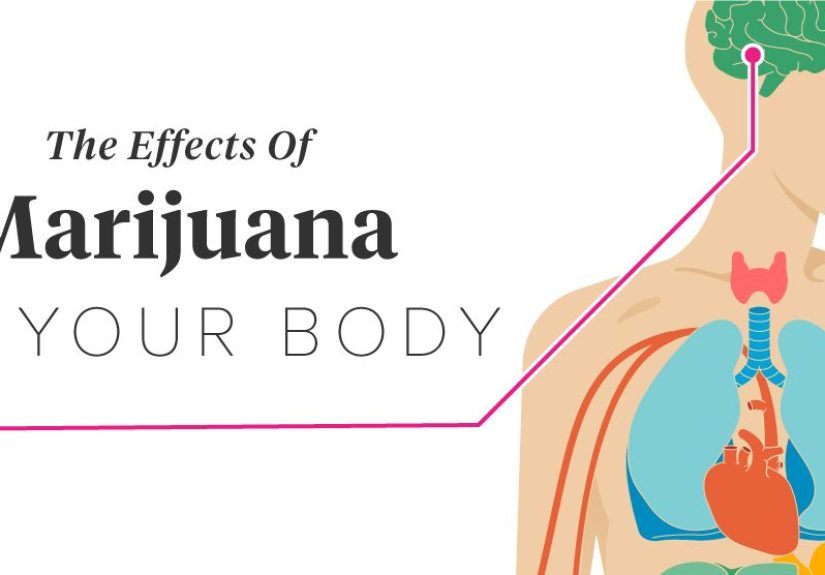
Marijuana can affect your brain, heart, lungs, and moodsometimes subtly, sometimes dramatically. The biggest risk multipliers tend to be: starting
young, using frequently, and using high-THC products. For adults, occasional use may carry lower risk than frequent use, but “lower risk” still
isn’t “no risk,” especially for people with anxiety, heart disease, or a history of substance problems.
If you’re a teen, the safest choice for your brain and future you is simple: avoid cannabis. If you’re an adult considering it for a health issue, talk with
a licensed clinician so you’re making decisions based on evidencenot vibes, marketing, or your friend who “totally did research” on a podcast.
Experiences People Commonly Report (Real-Life Patterns, Not a Movie Montage)
Because cannabis affects attention, memory, and perception, people’s stories about it can sound like they’re describing two different substances. Here are
common experience patterns reported in clinics, surveys, and everyday conversationsframed honestly, without pretending everyone reacts the same way.
1) The “This Is Chill” Phase
Many people describe early effects as a wave of relaxation, light euphoria, and a softer edge to stress. Music may feel more immersive, jokes may feel
funnier, and food may suddenly taste like it was seasoned by a celebrity chef. Alongside that, there’s often a noticeable shift in attention: conversations
can wander, and people may lose track of what they were about to do (classic: walking into a room and forgetting whyexcept now it feels like a mini
mystery).
2) The “Time Is Soup” Effect
A lot of users report changes in time perceptionminutes can feel stretched, and tasks can feel slower or oddly fascinating. This is also where impairment
sneaks in. Someone may feel calm while their reaction time and coordination are still reduced. It’s a key reason driving is risky: you don’t need to feel
wildly intoxicated to be less safe on the road.
3) The “Why Is My Heart Doing Parkour?” Moment
A faster heartbeat is commonly reported, and for some people it’s no big deal. For othersespecially if they’re anxiousit can be the spark that turns a
mild high into a full-on panic spiral: “My heart is racing… am I okay? …why is everything loud?” In many cases, this passes, but the experience can be
scary enough that people swear off cannabis entirely. It’s also why cannabis isn’t a great match for people with certain heart conditions or panic disorder.
4) The “Too Much, Too Fast” Experience
When someone has more THC than their body can comfortably handle, they may feel dizzy, nauseated, sweaty, shaky, confused, or intensely anxious. Some people
describe feeling detached from reality or overwhelmed by intrusive thoughts. These reactions are more likely with higher-potency products, with mixing
cannabis and alcohol, and with products that have delayed effects (which can trick people into taking more before the first effects fully show up).
5) The Next-Day “Fog”
Not everyone feels after-effects the next day, but some people report lingering grogginess, slower thinking, or lower motivationespecially after heavier use
or poor sleep. That “fog” can show up as difficulty focusing in class or at work, feeling less sharp in conversations, or just being more forgetful than
usual. If that starts happening regularly, it can quietly chip away at performance and confidence.
6) The Long-Run Pattern: Tolerance, Routine, and Withdrawal
With frequent use, many people notice tolerance: the same amount doesn’t feel as strong, and they may use more to get the effect they want. Over time,
cannabis can become part of a routineused to fall asleep, to handle boredom, to ease stress, or to “make everything more fun.” The tricky part is that the
routine can start driving the person, not the other way around. When they try to stop, they may feel irritable, restless, or struggle with sleep for a
while. That doesn’t mean they’re “weak”it means the brain adapts, and changing patterns can take support and time.
Bottom line: people’s experiences with marijuana can range from mild and brief to intense and disruptive. If cannabis is causing panic, memory issues,
worsening mood, school/work problems, or risky situations, that’s not “just how it is”it’s a sign to step back and talk to a healthcare professional.






 Close
Close