
Table of Contents >> Show >> Hide
- Is Beetroot Good for Diabetes?
- How Beetroot May Affect Blood Sugar
- Evidence-Based Benefits of Beetroot for People With Diabetes
- Whole Beets vs. Beet Juice vs. Beet Powder
- How Much Beetroot Can a Person With Diabetes Eat?
- Best Ways to Eat Beetroot With Diabetes
- Diabetes-Friendly Beetroot Recipes
- Who Should Be Careful With Beetroot?
- Common Mistakes to Avoid
- of Practical Experience: Making Beetroot Work in Real Life
- Final Thoughts: Should You Eat Beetroot If You Have Diabetes?
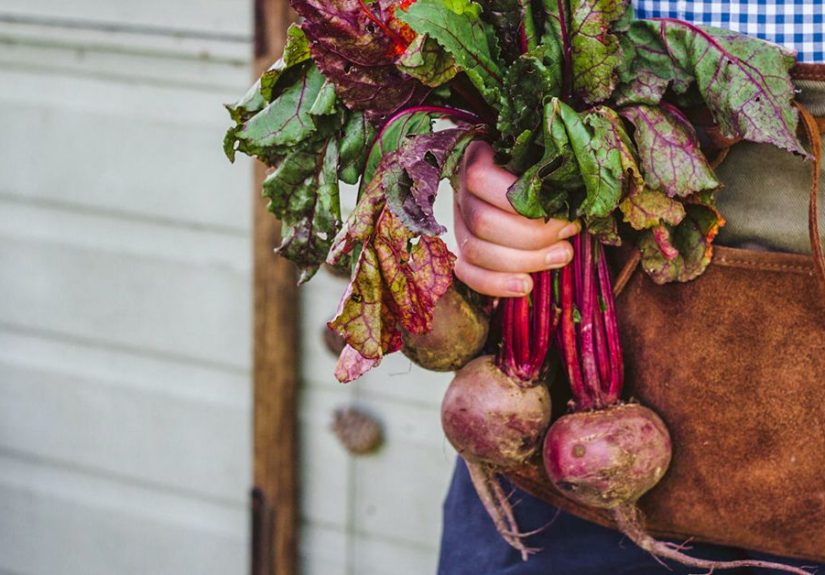
Beetroot and diabetes may sound like an odd couple at first. After all, beets are naturally sweet, boldly red, and suspiciously good at staining cutting boards, white shirts, and occasionally your confidence in kitchen cleanup. But when you look past the dramatic color, beetroot is a nutrient-dense vegetable with fiber, folate, potassium, antioxidants, and natural nitrates that may support heart and metabolic health.
For people with diabetes, the real question is not, “Are beets sweet?” The better question is, “Can beets fit into a balanced blood sugar-friendly eating pattern?” The answer is yes, for many people, when portions are sensible and the beets are prepared without added sugar. Whole beetroot is very different from a sweetened beet juice drink, beet candy, or a giant smoothie that accidentally becomes dessert wearing a health halo.
This evidence-based guide explains how beetroot may affect blood sugar, blood pressure, inflammation, and everyday meal planning. You will also find practical serving tips, diabetes-friendly beet recipes, safety notes, and real-life experience ideas for making beetroot work in a sustainable way.
Is Beetroot Good for Diabetes?
Beetroot can be a smart addition to a diabetes-friendly diet, but it is not a magic cure for high blood sugar. It contains carbohydrates, mostly from natural sugars, so portion size matters. However, beets also provide fiber and plant compounds that make them more valuable than a spoonful of plain sugar. In other words, beetroot comes with nutritional “co-workers” that help it contribute something useful to the plate.
A typical cup of raw beets contains roughly 58 calories, about 13 grams of carbohydrates, close to 4 grams of fiber, and meaningful amounts of potassium and folate. This makes beetroot more carbohydrate-containing than leafy greens but still moderate enough to fit into many diabetes meal plans.
The best approach is to treat beets as a colorful vegetable with carbs, not as a free food. A small serving, such as 1/2 cup cooked beets or 1 small roasted beet, can add flavor, texture, and nutrients without overwhelming the meal. Pairing beetroot with protein, healthy fat, and high-fiber foods can further reduce the chance of a sharp post-meal glucose rise.
How Beetroot May Affect Blood Sugar
Beetroot Contains Carbs, But the Glycemic Load Is Usually Modest
The glycemic index of beetroot can vary depending on whether it is raw, cooked, juiced, or processed. Cooked beets may have a moderate glycemic index, but the glycemic load of a normal serving is usually modest because the total amount of carbohydrate per serving is not extremely high.
This distinction matters. Glycemic index looks at how quickly a carbohydrate food may raise blood glucose, while glycemic load considers both speed and the actual amount of carbohydrate in a serving. For diabetes management, glycemic load and real-world portions often tell a more practical story than glycemic index alone.
Fiber Helps Slow Digestion
Whole beetroot contains fiber, which helps slow digestion and supports steadier blood sugar responses. This is one reason whole beets are generally a better choice than beet juice for routine meals. Juicing removes much of the fiber, making the natural sugars easier to drink quickly.
That does not mean beet juice is forbidden. It means beet juice should be used thoughtfully, especially if you monitor blood glucose closely or take diabetes medication that can lower blood sugar. A small portion of unsweetened beet juice may be reasonable for some people, but a full bottle can contain more carbohydrate than expected.
Research Is Promising, But Not Perfect
Several studies have explored beetroot, beet juice, and type 2 diabetes. Some research suggests beetroot may improve fasting blood sugar, HbA1c, oxidative stress, or glucose tolerance. Other studies have found little or no major effect on blood sugar markers, especially when beet juice rather than whole beetroot is used.
The takeaway is balanced: beetroot may support metabolic health, but it should be viewed as one helpful food inside a larger diabetes care plan. It should not replace prescribed medication, blood glucose monitoring, exercise, sleep, or a personalized nutrition plan.
Evidence-Based Benefits of Beetroot for People With Diabetes
1. Beetroot May Support Blood Pressure
High blood pressure is common in people with diabetes, and managing it is important for protecting the heart, kidneys, eyes, and blood vessels. Beetroot is rich in dietary nitrates, which the body can convert into nitric oxide. Nitric oxide helps blood vessels relax and widen, supporting better blood flow.
Studies on beetroot juice have more consistently shown benefits for blood pressure than for blood sugar. The effect is usually modest, but even modest improvements can matter when combined with an overall heart-healthy lifestyle. Think of beetroot as a helpful backup singer, not the whole band.
2. Beetroot Provides Antioxidants
Beets contain betalains, the plant pigments that give red beets their deep color. Betalains have antioxidant and anti-inflammatory properties. Oxidative stress and chronic inflammation are linked to insulin resistance and diabetes complications, so antioxidant-rich foods can be part of a protective eating pattern.
This does not mean eating one beet will instantly “detox” your body. Your liver and kidneys already handle detox work quite professionally. But colorful vegetables like beets can help supply nutrients that support normal cellular health.
3. Beetroot Can Support Digestive Health
Fiber is a major win for people with diabetes because it supports gut health, fullness, cholesterol management, and steadier blood sugar. Whole beetroot contributes fiber, especially when eaten roasted, steamed, shredded raw, or added to salads and bowls.
A diabetes-friendly meal is not only about avoiding sugar. It is also about building plates that digest slowly, satisfy hunger, and provide nutrients. Beets can help with that when they are part of a balanced plate.
4. Beetroot May Help Exercise Performance
Some studies suggest beetroot juice may improve exercise efficiency and endurance because dietary nitrates can support oxygen delivery and blood flow. For people with diabetes, regular physical activity is one of the most powerful tools for improving insulin sensitivity.
If beetroot helps someone feel more energized for walking, cycling, strength training, or another safe activity, that can indirectly support blood sugar management. However, beetroot is not a pre-workout requirement. Comfortable shoes, consistency, and not negotiating with the couch are still the main ingredients.
5. Beetroot Adds Nutrients Without Many Calories
Beetroot is naturally low in fat and relatively low in calories. It provides folate, potassium, manganese, vitamin C, and fiber. For people trying to manage weight, blood sugar, and cardiovascular risk, nutrient density matters.
The key is preparation. Roasted beets with olive oil and herbs are very different from beets buried under sugary dressing or served with a mountain of refined carbs. The beet is innocent. The recipe may not be.
Whole Beets vs. Beet Juice vs. Beet Powder
Whole Beets
Whole beets are usually the best everyday choice for people with diabetes. They contain fiber, require chewing, and are easier to portion. Raw shredded beets, roasted beet wedges, steamed beet cubes, and beet salads can all work well.
Beet Juice
Beet juice is more concentrated and often studied for blood pressure and exercise performance. However, it lacks the fiber of whole beets and can deliver carbohydrates quickly. Choose unsweetened beet juice, keep portions small, and consider checking your glucose response.
Beet Powder
Beet powder can be convenient, but products vary. Some contain only dried beetroot, while others include added sugars, flavors, or supplement blends. People with diabetes should read labels carefully and talk with a healthcare professional before using concentrated beet supplements, especially if taking blood pressure medication.
How Much Beetroot Can a Person With Diabetes Eat?
There is no single perfect serving for everyone. Blood sugar responses vary based on medication, activity level, insulin sensitivity, meal timing, and the rest of the plate. A practical starting point is:
- 1/2 cup cooked beets as part of a balanced meal
- 1 small roasted beet with protein and non-starchy vegetables
- 1/4 to 1/2 cup shredded raw beet in a salad
- 2 to 4 ounces unsweetened beet juice, if tolerated
If you use a glucose meter or continuous glucose monitor, test your own response. Beetroot may be perfectly fine for one person and a little too glucose-spiky for another, especially when eaten alone or in large portions.
Best Ways to Eat Beetroot With Diabetes
Pair Beets With Protein
Protein helps slow digestion and improves meal satisfaction. Good pairings include grilled chicken, salmon, tuna, eggs, tofu, tempeh, cottage cheese, lentils, or Greek yogurt-based dressings.
Add Healthy Fat
A small amount of healthy fat can improve flavor and fullness. Try olive oil, avocado, walnuts, pumpkin seeds, tahini, or a sprinkle of feta cheese.
Keep Added Sugar Out
Many beet recipes include honey, maple syrup, sweetened dried fruit, or sugary vinaigrettes. You do not need to ban those forever, but diabetes-friendly beet recipes are usually better with lemon juice, vinegar, herbs, spices, garlic, mustard, or plain yogurt for flavor.
Use the Plate Method
A simple diabetes plate might include 1/2 plate non-starchy vegetables, 1/4 plate lean protein, and 1/4 plate quality carbohydrates. Beets can sit in the vegetable section or share space with the carbohydrate section depending on portion size and the rest of the meal.
Diabetes-Friendly Beetroot Recipes
1. Roasted Beet and Chicken Salad
Ingredients: 1/2 cup roasted beet cubes, 3 ounces grilled chicken, 2 cups mixed greens, cucumber slices, 1 tablespoon walnuts, and a dressing made from olive oil, lemon juice, Dijon mustard, and black pepper.
Why it works: The chicken adds protein, walnuts add healthy fat, and greens add volume without many carbs. The beets bring natural sweetness, so you do not need sugary dressing.
2. Beet Hummus With Crunchy Vegetables
Ingredients: 1 small cooked beet, 1 cup chickpeas, 1 tablespoon tahini, lemon juice, garlic, cumin, and water to blend.
Serving idea: Enjoy 1/4 cup with cucumber, bell pepper strips, celery, or a few whole-grain crackers. Chickpeas add fiber and plant protein, making this snack more balanced than chips and dip.
3. Beet and Lentil Bowl
Ingredients: 1/2 cup cooked lentils, 1/2 cup roasted beets, arugula, grilled zucchini, 1 tablespoon pumpkin seeds, and a vinegar-based herb dressing.
Why it works: Lentils provide slow-digesting carbohydrates and protein. The beets add color and earthy sweetness, while the greens and zucchini increase volume.
4. Greek Yogurt Beet Dip
Ingredients: 1/2 cup plain Greek yogurt, 1/4 cup finely grated cooked beet, lemon zest, garlic, dill, black pepper, and a tiny pinch of salt if appropriate.
Serving idea: Use it as a dip for vegetables or as a sauce for grilled fish, turkey burgers, or roasted tofu. It is creamy, bright, and far more exciting than another sad packet of ranch.
5. Low-Sugar Beet Berry Smoothie
Ingredients: 1/4 cup cooked beet, 1/2 cup unsweetened Greek yogurt, 1/2 cup frozen berries, 1 tablespoon chia seeds, cinnamon, and unsweetened almond milk.
Tip: Keep the portion moderate and avoid adding juice, honey, or sweetened yogurt. Smoothies can become sugar rockets very quickly, even when they look innocent and Instagram-friendly.
Who Should Be Careful With Beetroot?
Beetroot is safe for many people, but it is not ideal for everyone in large amounts. People prone to kidney stones may need caution because beets contain oxalates. Those with kidney disease may need to monitor potassium intake. Anyone taking blood pressure medication should be careful with large amounts of beet juice or beet supplements because beets may contribute to lower blood pressure.
Beets can also cause beeturia, which means red or pink urine or stool after eating them. It can be surprising, but it is usually harmless. Still, if you notice unusual symptoms or are unsure whether the color is from beets, contact a healthcare professional.
People taking insulin, sulfonylureas, or other glucose-lowering medications should avoid making dramatic diet changes without guidance. Even healthy foods can change blood sugar patterns.
Common Mistakes to Avoid
Drinking Large Bottles of Beet Juice
Beet juice can be useful in small amounts, but it is easy to drink more carbohydrate than intended. Whole beets are usually more filling and easier to manage.
Assuming “Natural Sugar” Does Not Count
Natural sugar still affects blood glucose. The advantage of whole foods is that they often bring fiber, water, vitamins, minerals, and antioxidants along for the ride.
Using Sweet Dressings
Beets already taste sweet. Add acid, herbs, garlic, pepper, mustard, or yogurt instead of syrupy sauces.
Ignoring Personal Glucose Response
Nutrition science gives general guidance, but your body gives personal feedback. Use glucose monitoring when possible to see how beetroot works for you.
of Practical Experience: Making Beetroot Work in Real Life
In real kitchens, beetroot succeeds when it is treated like a flavor booster rather than the entire meal. Many people with diabetes do best when they start small: a few roasted beet cubes on a salad, a spoonful of beet hummus with vegetables, or a small serving next to fish or chicken. This approach keeps the meal colorful and satisfying without turning the plate into a carbohydrate guessing game.
One practical lesson is that beets are easier to enjoy when prepared ahead. Roasting one or two beets at the beginning of the week can save time and reduce the temptation to grab less balanced foods. Once cooked, beets can be sliced into salads, blended into dips, added to grain bowls, or served cold with vinegar and herbs. The kitchen may look like a tiny crime scene for two minutes, but parchment paper and gloves solve most of the drama.
Another helpful experience is pairing beets with sharp or creamy flavors. Lemon juice, balsamic vinegar, plain Greek yogurt, goat cheese, feta, dill, parsley, mint, garlic, and mustard all balance beetroot’s earthy sweetness. This matters because diabetes-friendly eating should not feel like punishment. Food that tastes good is easier to repeat, and repeatable habits are where real progress happens.
For people who monitor blood sugar, beetroot can become a useful self-experiment. Try the same portion in different meals and compare the results. For example, 1/2 cup of beets eaten alone may affect glucose differently than 1/2 cup eaten with salmon, greens, olive oil, and lentils. This kind of testing can reveal patterns that no generic food list can fully predict.
Many people also discover that beetroot works better at lunch or dinner than as a morning juice. A breakfast beet juice may move through the body quickly, while roasted beets in a balanced dinner digest more slowly. Again, the food is not acting alone; the whole meal matters.
Texture is another underrated factor. If soft cooked beets feel boring, try shredded raw beet in a slaw with cabbage and lemon. If earthy flavor is too strong, mix beet with yogurt, garlic, and herbs. If beet juice tastes too intense, dilute a small amount with water and lemon instead of drinking a full serving.
The most successful beetroot habit is flexible, not extreme. You do not need beetroot every day to get benefits from colorful vegetables. Two or three servings a week can be a reasonable start. Rotate beets with leafy greens, broccoli, peppers, carrots, tomatoes, squash, beans, and berries. Diabetes-friendly eating is not about finding one superhero food. It is about building a team, and beetroot can absolutely wear the red cape.
Final Thoughts: Should You Eat Beetroot If You Have Diabetes?
Beetroot can fit beautifully into a diabetes-friendly diet when it is portioned wisely, paired with protein and fiber, and prepared without added sugar. The strongest evidence supports beetroot’s role in vascular health and blood pressure, while research on blood sugar is promising but mixed. Whole beets are usually the best everyday option because they provide fiber and are easier to portion than juice.
If you enjoy beetroot, there is no reason to fear it simply because it tastes sweet. Respect the carbohydrates, build a balanced plate, and let your glucose data guide you. Diabetes nutrition does not have to be bland, beige, or joyless. Sometimes it can be ruby red, earthy, tangy, and surprisingly delicious.
Note: This article is for educational purposes only and should not replace medical advice. People with diabetes, kidney disease, kidney stone history, low blood pressure, or those taking glucose-lowering or blood-pressure medications should consult a qualified healthcare professional before making major changes to their diet or using beetroot supplements.






 Close
Close